
Scholarly guide · Sufism · English-language sources
Essential Books on Sufism in English: A Historical Guide to Classical Texts, English Translations, Practical Sufism, Metaphysics and Modern Studies
Abstract
This article presents a critical guide to essential English-language books on Sufism, with particular emphasis on classical primary texts, practical Sufism, Persian mystical literature, Ibn ʿArabī and theoretical Sufism, Rūmī studies, and a selective body of major modern scholarship. Rather than taking modern histories of Sufism as the primary point of departure, the study gives methodological priority to the writings through which Sufi authors themselves articulated the spiritual path, the purification of the nafs, remembrance (dhikr), Divine love, spiritual states and stations, the Divine Names, metaphysical knowledge, and the relationship between the human being and God. The classical corpus is presented chronologically, from formative manuals such as al-Sarrāj’s Kitāb al-Lumaʿ, al-Kalābādhī’s Kitāb al-Taʿarruf, al-Qushayrī’s Risāla and al-Hujwīrī’s Kashf al-Maḥjūb, through systematic works of spiritual wayfaring by Anṣārī, al-Ghazālī, al-Suhrawardī, Najm al-Dīn Rāzī and Naṣīr al-Dīn al-Ṭūsī, to the traditions of Divine love, Persian mystical poetry and Akbarian metaphysics represented by Aḥmad Ghazālī, Samʿānī, ʿAṭṭār, Rūmī, Ibn ʿArabī, ʿIrāqī, Shabistarī and Jāmī. The article also evaluates major English-language studies by Nicholson, Arberry, Schimmel, Nasr, Chittick, Lewis, Karamustafa and others. Particular attention is given to two contemporary works by the present author: the structural-hermeneutical reading of Rūmī developed in Rūmī’s Mystical Design, and the account of the relationship between individual spiritual transformation, Sufi community, historical agency and the civilisational horizon of practical Sufism developed in The Practice of Sufism and the Safavid Order. The study concludes by presenting a proposed twenty-five-book core reading list and a progressive model for reading Sufism through three interconnected levels: Text → Transformation → Civilisation.
Keywords Sufism; Islamic mysticism; practical Sufism; ʿirfān-i ʿamalī; sayr wa sulūk; Divine love; Divine Names; Ibn ʿArabī; Rūmī; Persian Sufism; Sufi metaphysics; Safavid Order.
1. Introduction
Sufism (taṣawwuf) constitutes one of the major intellectual, spiritual, ethical and literary traditions of Islamic civilisation. Its history extends over more than twelve centuries and encompasses a remarkably diverse body of writings: manuals of spiritual discipline, classifications of stations (maqāmāt) and states (aḥwāl), Qur’anic commentaries, works on the Divine Names, metaphysical treatises, biographies of saints, spiritual diaries, poetry, manuals of Sufi conduct (ādāb), and systematic accounts of the journey towards God (sayr wa sulūk).
For this reason, the study of Sufism cannot adequately begin with modern histories of Sufism alone. Historical studies are useful for providing chronology, social context and accounts of institutions and Sufi orders, but they inevitably interpret the tradition from particular historiographical perspectives. A serious understanding of Sufism requires direct engagement with the writings through which Sufis themselves articulated their understanding of God, the human being, the cosmos, love, knowledge, remembrance, spiritual discipline and the journey of the soul.
The present essay therefore gives priority to primary classical Sufi texts available in English. Modern scholarship is included, but it does not occupy the centre of the bibliography. The principal aim is to guide English-language readers towards the intellectual and spiritual sources of the tradition itself.
The classical works selected here reveal that Sufism cannot be reduced to a single dimension such as mysticism, asceticism, metaphysics or devotional experience. Early manuals such as al-Sarrāj’s Kitāb al-Lumaʿ, al-Kalābādhī’s Kitāb al-Taʿarruf, al-Qushayrī’s Risāla and al-Hujwīrī’s Kashf al-Maḥjūb preserve the terminology, teachings, practices and spiritual anthropology of formative Sufism. Works by Anṣārī, al-Ghazālī, al-Suhrawardī and Najm al-Dīn Rāzī develop increasingly systematic accounts of spiritual wayfaring, ethical purification and the transformation of the self.
Another current develops the language of Divine love. Aḥmad Ghazālī, Aḥmad Samʿānī, ʿAyn al-Quḍāt Hamadānī, ʿAṭṭār, Rūzbihān Baqlī, Rūmī and Fakhr al-Dīn ʿIrāqī explore the relationship between lover and Beloved, separation and union, suffering and transformation, annihilation (fanāʾ) and subsistence (baqāʾ). Persian Sufism in particular transformed these themes into one of the richest mystical literatures produced by any religious civilisation.
The metaphysical tradition associated especially with Ibn ʿArabī introduced another vast conceptual vocabulary concerning Divine self-disclosure (tajallī), the Divine Names, imagination (khayāl), the levels of existence, knowledge of God (maʿrifah), the Perfect Human (al-insān al-kāmil) and the relationship between unity and multiplicity. Its influence extended far beyond Ibn ʿArabī’s immediate school and entered Persian poetry, philosophical Sufism and later theoretical formulations of Islamic mysticism.
Alongside these currents stands the literature of practical Sufism and spiritual wayfaring. Works such as Anṣārī’s Manāzil al-Sāʾirīn, al-Ghazālī’s Minhāj al-ʿĀbidīn, Najm al-Dīn Kubrā’s al-Uṣūl al-ʿAshara, al-Suhrawardī’s ʿAwārif al-Maʿārif, Najm al-Dīn Rāzī’s Mirṣād al-ʿIbād, Naṣīr al-Dīn al-Ṭūsī’s Awṣāf al-Ashrāf and the Risālah-yi Sayr wa Sulūk attributed to Baḥr al-ʿUlūm demonstrate that Sufism is not merely a speculative discourse concerning mystical realities. It is also a disciplined path of transformation involving intention, repentance, remembrance (dhikr), vigilance (murāqabah), self-examination (muḥāsabah), purification (tazkiyah), love (maḥabbah), knowledge and the gradual overcoming of the ego-centred self.
The books selected in this essay consequently belong to several interconnected domains: foundational Sufi manuals; spiritual wayfaring and purification of the self; Divine love; Persian mystical literature; Rūmī studies; Ibn ʿArabī and theoretical Sufism; the Divine Names; and major modern studies that have substantially shaped the academic understanding of Sufism.
The purpose is not to claim that these works constitute an exhaustive canon. No list could encompass the geographical, linguistic, doctrinal and historical diversity of Sufism. Rather, the selection identifies works that provide particularly important gateways into the tradition and that, taken together, allow the reader to encounter Sufism through both its primary voices and its strongest modern interpreters.
2. Principles of Selection
Six principles govern the selection.
First, priority is given to primary sources. A classical Sufi work in a reliable English translation normally takes precedence over a modern book describing that work. The reader should, wherever possible, encounter al-Qushayrī, al-Ghazālī, ʿAṭṭār, Ibn ʿArabī, Rūmī and other Sufi authors directly.
Second, historical influence matters. Particular attention is given to texts that shaped later Sufi terminology, doctrine, spiritual practice, or literary traditions.
Third, the selection seeks intellectual and spiritual breadth. Sufism includes dhikr, ethics, psychology of the self, spiritual discipline, love, metaphysics, Qur’anic interpretation, poetry, sainthood and the theory and practice of sayr wa sulūk.
Fourth, Persian Sufism receives substantial attention. From Anṣārī, Aḥmad Ghazālī and Samʿānī to ʿAṭṭār, Rūmī, ʿIrāqī, Shabistarī and Jāmī, Persian became one of the principal languages in which Islamic mystical experience, Divine love and metaphysical insight were articulated.
Fifth, the quality and nature of the English version are taken seriously. A complete scholarly translation is distinguished from an abridgement, selection, interpretative rendering or critical edition of the original language. Nicholson’s edition of al-Sarrāj’s Kitāb al-Lumaʿ, for example, is of fundamental importance, but it should not be described as a complete English translation.
A limited exception is made for Nicholson’s critical edition of al-Sarrāj’s Kitāb al-Lumaʿ, included because of its foundational scholarly importance despite the absence of a complete English translation.
Sixth, modern historical studies are deliberately selective. They are included where they have made a major contribution to understanding Sufi history, thought, literature or institutions. The centre of gravity remains the classical tradition itself.
This approach produces a different kind of reading list. Instead of moving primarily from modern histories towards Sufism, it moves from the voices of the Sufis themselves towards their modern interpretation.
3. Classical Sufi Texts in English: A Chronological Guide
3.1 Abū Naṣr al-Sarrāj
d. 378/988; 4th/10th century
Kitāb al-Lumaʿ fī al-Taṣawwuf
Edited by R. A. Nicholson. Leiden: E. J. Brill; London: Luzac & Co., 1914.
Status: Critical edition of the Arabic text; not a complete English translation.
Al-Lumaʿ is among the earliest surviving systematic works devoted specifically to Sufism. Al-Sarrāj gathers the vocabulary, states, stations, practices, doctrines and sayings of the early Sufis and attempts to demonstrate their grounding in the Qur’an and Prophetic tradition. Its importance lies also in its preservation of materials concerning earlier masters whose writings have otherwise been lost.
3.2 Abū Bakr al-Kalābādhī
d. c. 380/990; 4th/10th century
The Doctrine of the Sufis (Kitāb al-Taʿarruf li-Madhhab Ahl al-Taṣawwuf)
Translated by A. J. Arberry. Cambridge: Cambridge University Press, 1935.
Kitāb al-Taʿarruf is one of the foundational attempts to explain Sufi doctrine systematically within the broader framework of Islamic belief. It is especially useful for understanding the relationship between early Sufi experience and Islamic theology.
3.3 Abū ʿAbd al-Raḥmān al-Sulamī
325–412/937–1021; 4th–5th/10th–11th centuries
The Way of Sufi Chivalry (Kitāb al-Futuwwa)
Interpreted by Tosun Bayrak al-Jerrahi.
The concept of futuwwa connects mystical life with generosity, selflessness, service, loyalty and disciplined conduct towards others. The work demonstrates that Sufi transformation is not confined to interior states: the authenticity of spiritual attainment manifests itself ethically and socially.
3.4 Abū al-Qāsim al-Qushayrī
376–465/986–1072; 4th–5th/10th–11th centuries
Al-Qushayri’s Epistle on Sufism
Translated by Alexander D. Knysh; reviewed by Muhammad Eissa. Reading: Garnet Publishing, 2007.
The Risāla is one of the great manuals of classical Sufism. It combines biographies and sayings of early masters with systematic discussions of Sufi terminology, spiritual states and stations. Doctrine, spiritual psychology and practical discipline remain integrated throughout.
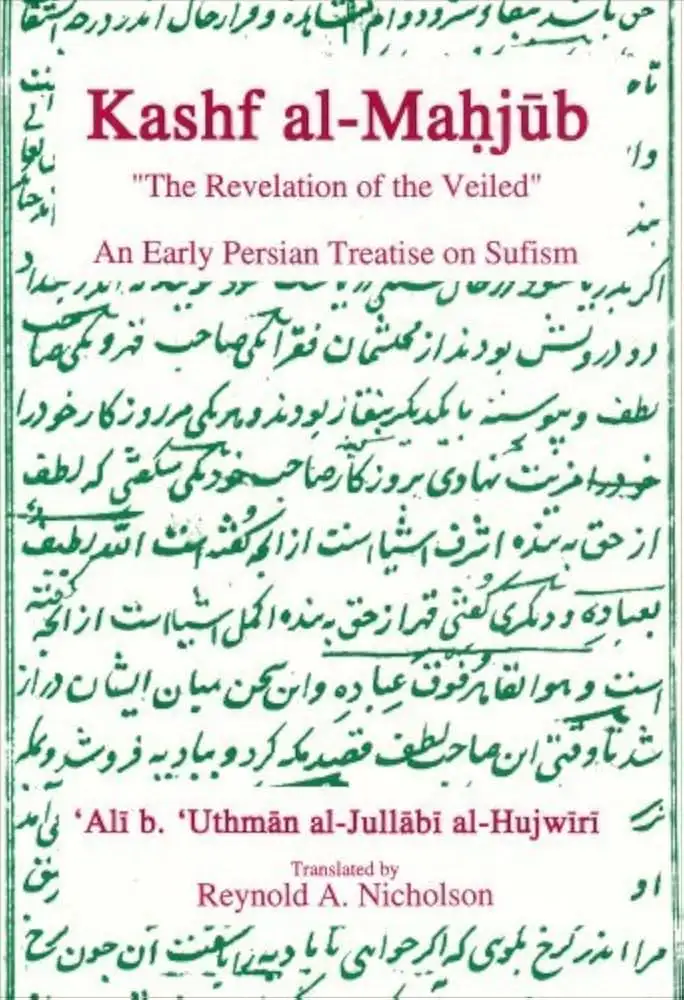
3.5 ʿAlī b. ʿUthmān al-Hujwīrī
d. c. 465/1072; 5th/11th century
The Kashf al-Mahjub: The Oldest Persian Treatise on Sufism
Translated by R. A. Nicholson. Leiden: E. J. Brill; London: Luzac & Co., 1911.
Kashf al-Maḥjūb occupies a foundational position in Persian Sufi prose. Hujwīrī combines historical information, biographies, doctrinal discussions, explanations of terminology and reflections on spiritual practice.
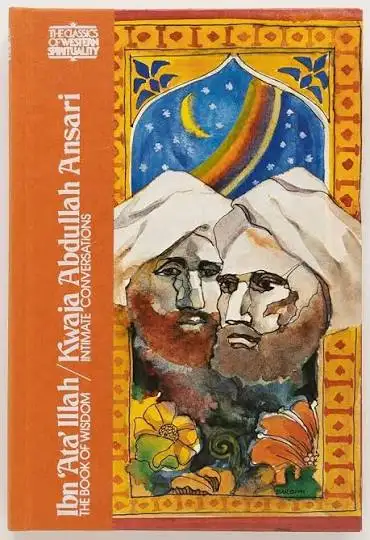
3.6 Khwāja ʿAbd Allāh Anṣārī
396–481/1006–1089; 5th/11th century
Intimate Conversations (Munājāt)
Translated by Wheeler M. Thackston.
Anṣārī’s Munājāt gives voice to the intimate relationship between servant and God through prayer, supplication, love, humility and bewilderment. Together with his systematic writings, it reveals two complementary dimensions of Sufism: the architecture of the path and the inner voice of the traveller.
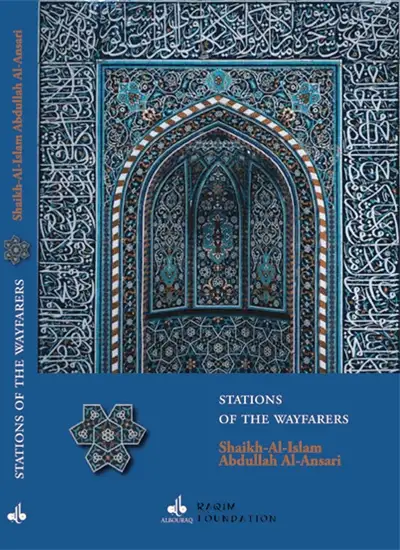
3.7 Khwāja ʿAbd Allāh Anṣārī
Manāzil al-Sāʾirīn (The Stations of the Wayfarers)
Translated by Hisham Rifa’i. Albouraq / Raqim Foundation, 2011.
Manāzil al-Sāʾirīn is one of the most sophisticated classical attempts to map the stages of the spiritual journey. Anṣārī organises the path into one hundred stations grouped within ten larger divisions. The work became a major model for understanding sulūk as progressive transformation.
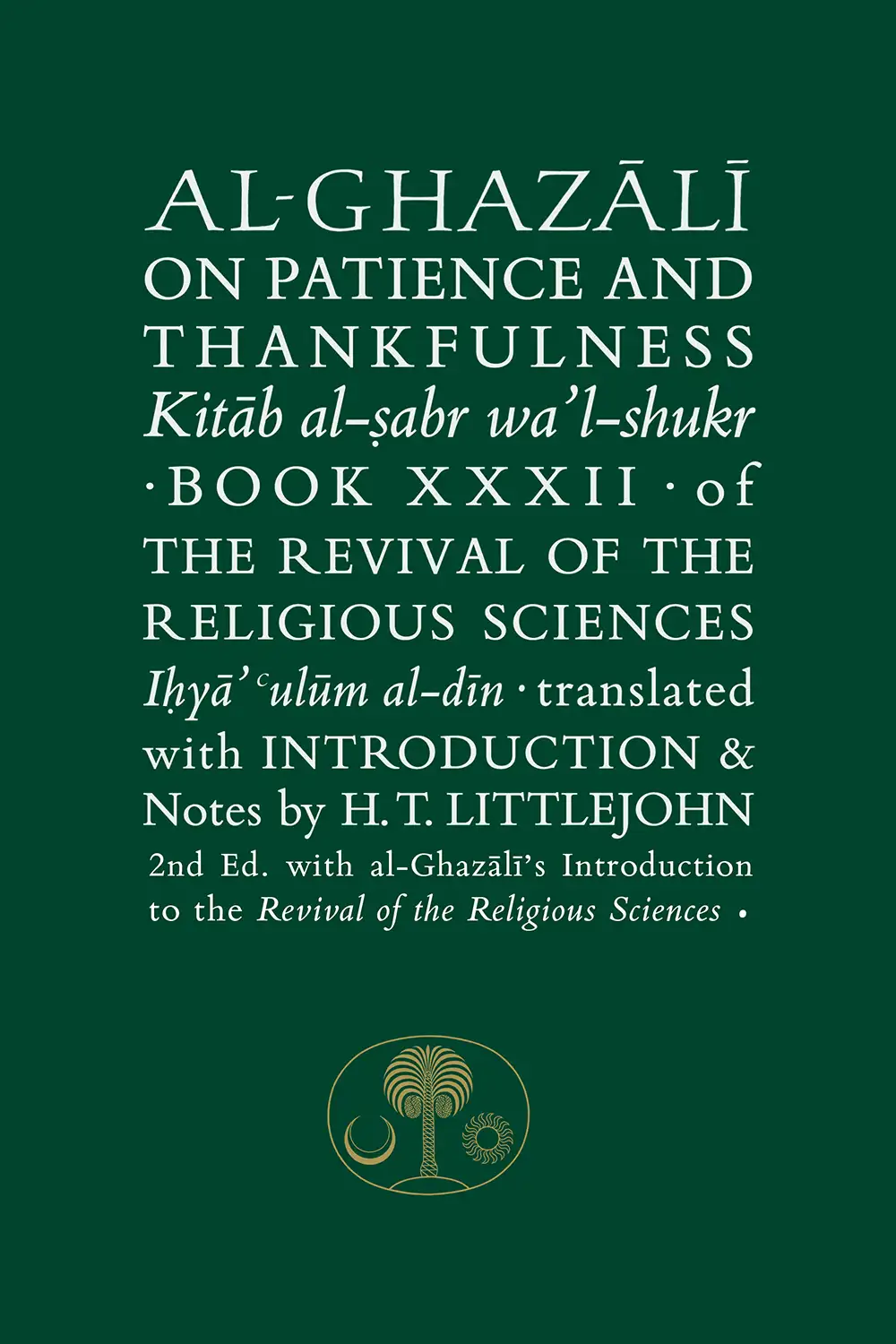
3.8 Abū Ḥāmid al-Ghazālī
450–505/1058–1111; 5th–6th/11th–12th centuries
Iḥyāʾ ʿUlūm al-Dīn (The Revival of the Religious Sciences)
Major individual books have been translated into English, including scholarly editions published by the Islamic Texts Society.
The Iḥyāʾ is one of the most influential works in Islamic spirituality. Its distinctive achievement is the integration of outward religious practice with inward purification. The heart, intention, remembrance, vigilance, self-examination, repentance, patience, gratitude, love and knowledge of God form an integrated spiritual psychology.
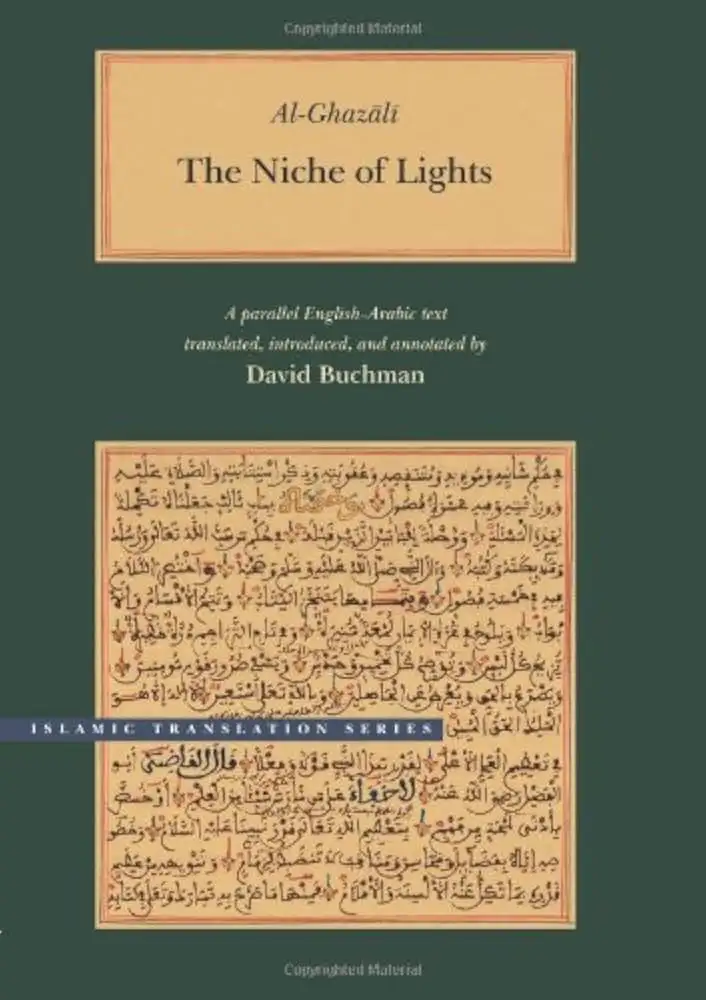
3.9 Abū Ḥāmid al-Ghazālī
The Niche of Lights (Mishkāt al-Anwār)
Translated by David Buchman. Brigham Young University Press, 1998.
Taking the Light Verse (Qur’an 24:35) as its point of departure, this work investigates light, perception, knowledge, symbolism and the hierarchical relationship between created realities and Divine Light.
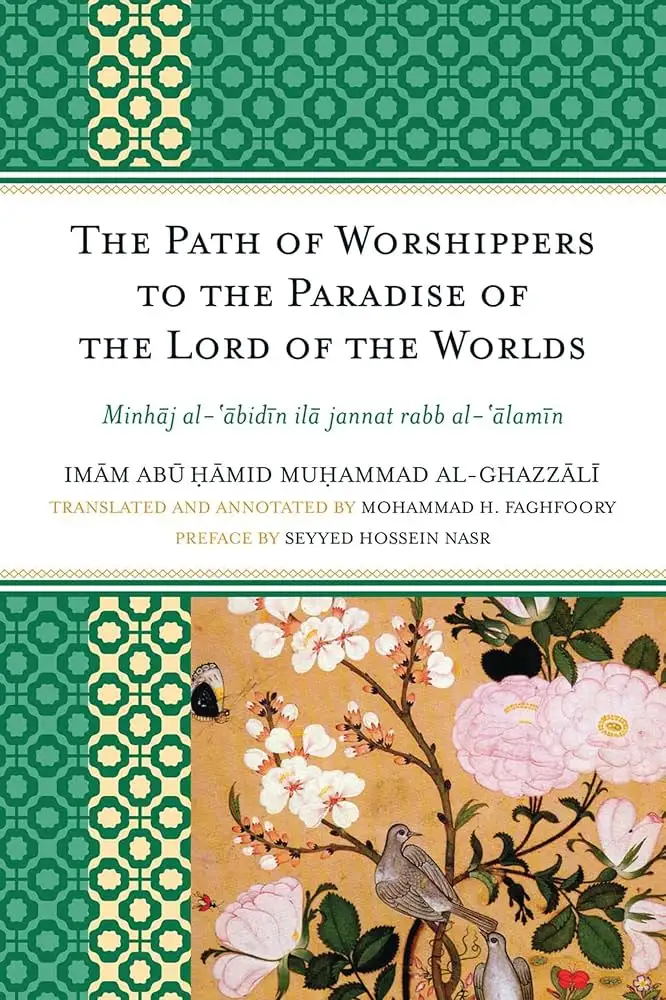
3.10 Abū Ḥāmid al-Ghazālī
The Path of Worshippers to the Paradise of the Lord of the Worlds: Minhāj al-ʿĀbidīn
Translated and annotated by Mohammad H. Faghfoory. University Press of America, 2012.
Minhāj al-ʿĀbidīn presents spiritual life as a journey through successive obstacles and stages. Compared with the vast architecture of the Iḥyāʾ, it offers a concentrated itinerary of practical spiritual transformation.
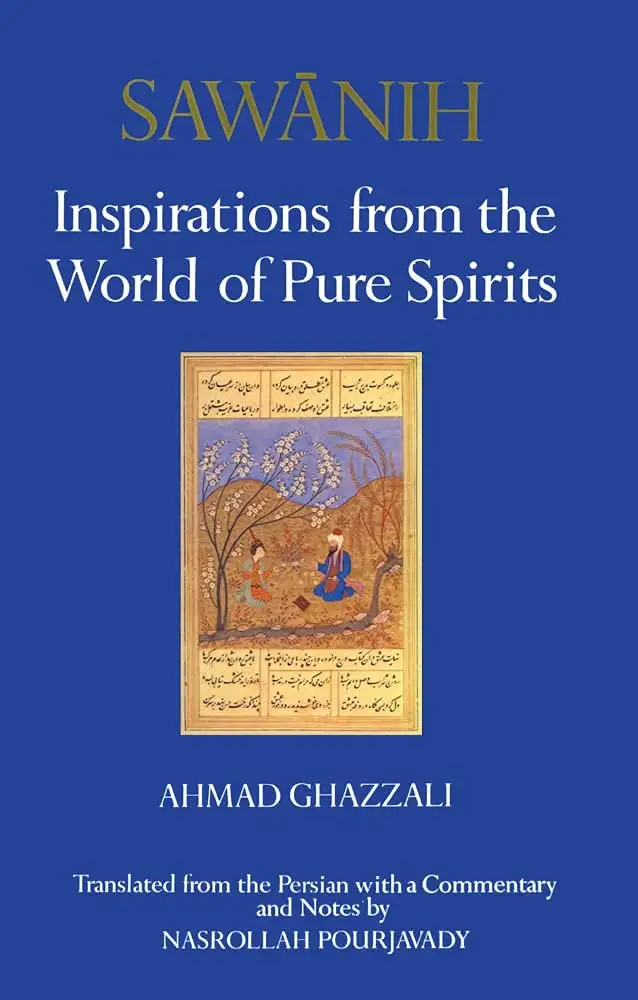
3.11 Aḥmad Ghazālī
d. 520/1126; 6th/12th century
Sawāniḥ: Inspirations from the World of Pure Spirits
Translated with commentary and notes by Nasrollah Pourjavady. KPI, 1986.
Sawāniḥ is one of the foundational Persian texts on mystical love. Love becomes an ontological and transformative reality through which the distinction between lover, Beloved and love itself is progressively destabilised.
3.12 ʿAyn al-Quḍāt Hamadānī
492–525/1098–1131; 6th/12th century
A Sufi Martyr: The Apologia of ʿAin al-Qudat al-Hamadhani
Translated by A. J. Arberry. George Allen & Unwin, 1969.
ʿAyn al-Quḍāt represents one of the most intellectually daring voices of Persian Sufism. His writings bring together love, knowledge, experiential certainty and reflection upon the limits of rational discourse.
3.13 Aḥmad Samʿānī
d. 534/1140; 6th/12th century
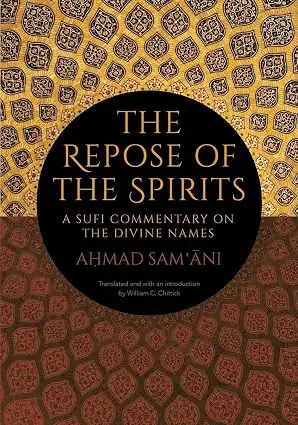
The Repose of the Spirits: A Sufi Commentary on the Divine Names
Translated and introduced by William C. Chittick. State University of New York Press, 2019.
Rawḥ al-Arwāḥ is one of the great achievements of early Persian mystical prose and one of the earliest extensive Sufi commentaries on the Divine Names. Samʿānī approaches each Name as an opening towards the relationship between God and the human being.
3.14 Abū Najīb al-Suhrawardī
490–563/1097–1168; 6th/12th century
A Sufi Rule for Novices: Kitāb Ādāb al-Murīdīn
Abridged translation by Menahem Milson. Harvard University Press, 1975.
The work addresses ādāb, companionship, worship, self-discipline and the practical formation of the murīd.
3.15 Rūzbihān Baqlī
522–606/1128–1209; 6th–7th/12th–13th centuries
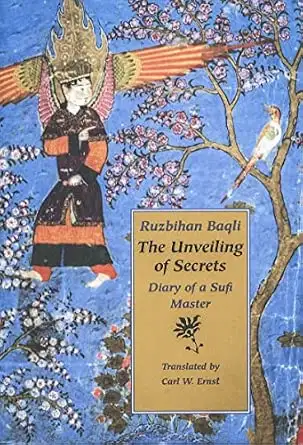
The Unveiling of Secrets: Diary of a Sufi Master
Translated by Carl W. Ernst. Parvardigar Press, 1997.
This remarkable spiritual diary records visionary experience, unveiling, witnessing and Divine self-disclosure, providing rare access to the experiential dimension of medieval Sufism.
3.16 Najm al-Dīn Kubrā
540–618/1145–1221; 6th–7th/12th–13th centuries
Al-Uṣūl al-ʿAshara (The Ten Principles)
Translated by Cyrus Ali Zargar in The Muslim World, 103(1), 2013, 107–130.
Status: Translation published within a scholarly article.
Kubrā condenses the spiritual path into ten principles centred upon the radical reorientation of the seeker and the weakening of attachment to the egoic self.
3.17 Farīd al-Dīn ʿAṭṭār
c. 540–618/c. 1145–1221; 6th–7th/12th–13th centuries
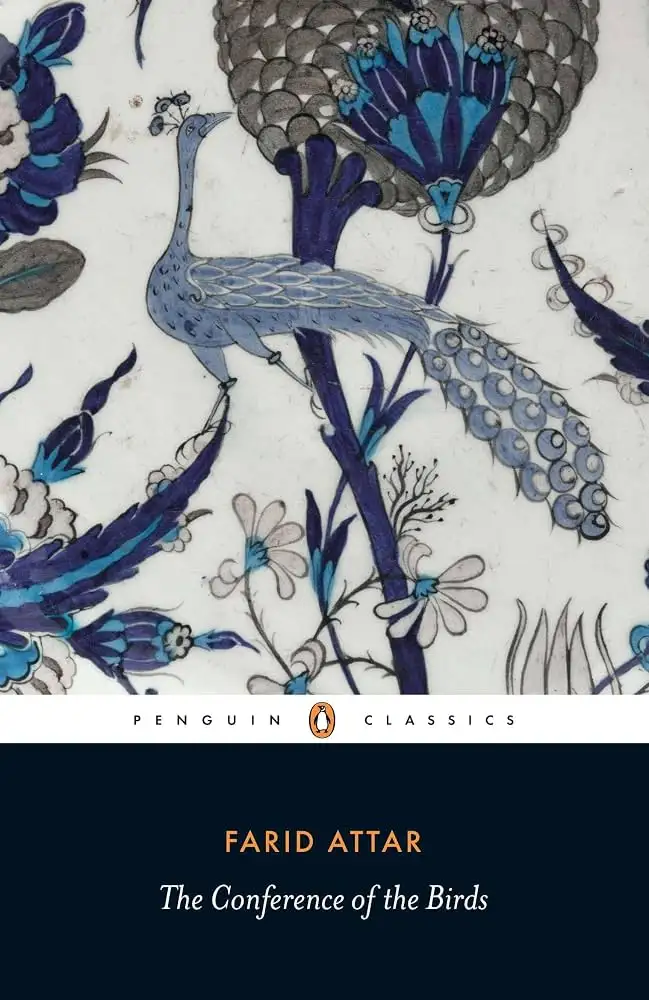
The Conference of the Birds
Translated by Afkham Darbandi and Dick Davis. Penguin Classics, 1984.
Manṭiq al-Ṭayr is one of the supreme literary representations of sayr wa sulūk. The journey of the birds towards the Sīmurgh becomes an allegory of self-transcendence, love, sacrifice, bewilderment and the discovery of unity.
3.18 Farīd al-Dīn ʿAṭṭār
Muslim Saints and Mystics
Translated by A. J. Arberry.
This selection from Tadhkirat al-Awliyāʾ presents Sufi ideals through exemplary lives. It is particularly important for understanding the construction of Sufi spiritual memory.
3.19 Shihāb al-Dīn ʿUmar al-Suhrawardī
539–632/1145–1234; 6th–7th/12th–13th centuries
ʿAwārif al-Maʿārif
English rendering by H. Wilberforce Clarke, 1891.
ʿAwārif al-Maʿārif is one of the most influential manuals of organised Sufi life, treating spiritual states, devotional practices, master–disciple relations, companionship, retreat, samāʿ and communal discipline.
3.20 Muḥyī al-Dīn Ibn ʿArabī
560–638/1165–1240; 6th–7th/12th–13th centuries
The Tarjumán al-Ashwáq
Edited and translated by R. A. Nicholson, 1911.
This work occupies a special position at the intersection of mystical poetry and metaphysics. Human love and beauty become symbolic vehicles of Divine meaning.
3.21 Muḥyī al-Dīn Ibn ʿArabī
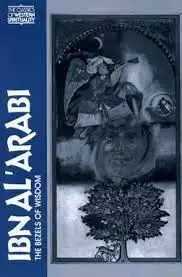
The Bezels of Wisdom (Fuṣūṣ al-Ḥikam)
Translated by R. W. J. Austin. Paulist Press, 1980.
Fuṣūṣ al-Ḥikam is one of the central texts of theoretical Sufism. Its prophetic chapters investigate Divine self-disclosure, the Divine Names, prophetic wisdom, the Real and creation, and the human capacity to receive Divine manifestation.
3.22 Muḥyī al-Dīn Ibn ʿArabī
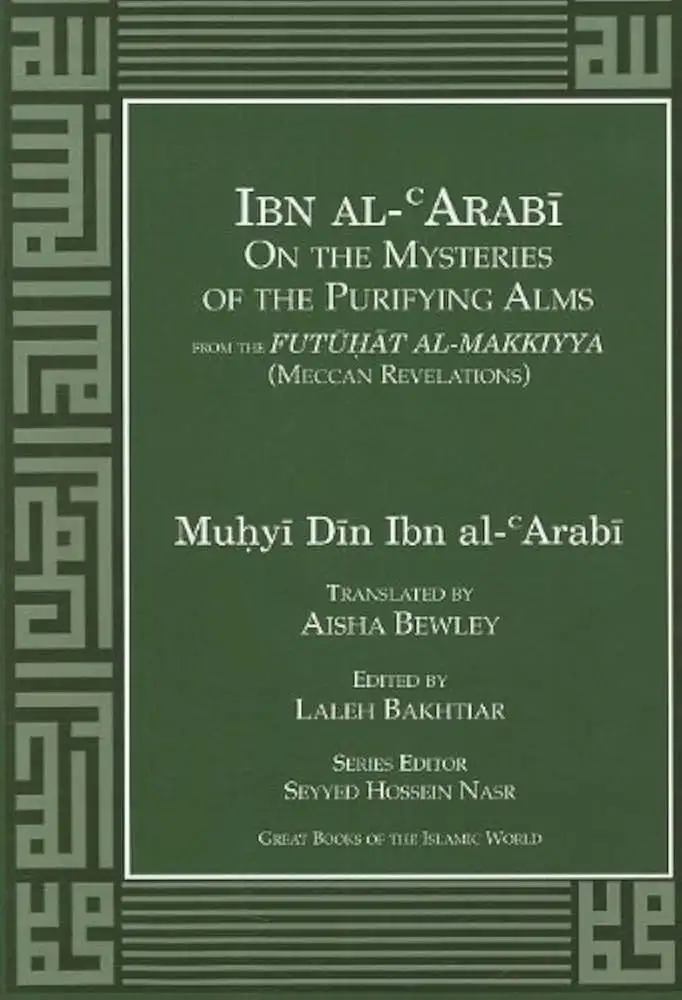
Al-Futūḥāt al-Makkiyya (The Meccan Openings)
Important selections and individual chapters are available in English; the complete work should not be represented as having a single complete English translation.
The Futūḥāt constitutes Ibn ʿArabī’s vast encyclopaedia of mystical knowledge, encompassing Qur’anic interpretation, cosmology, the Divine Names, spiritual psychology, ritual, sainthood, imagination, love, spiritual states and stations.
3.23 Najm al-Dīn Rāzī
573–654/1177–1256; 6th–7th/12th–13th centuries
The Path of God’s Bondsmen from Origin to Return
Translated by Hamid Algar. Caravan Books, 1982.
Mirṣād al-ʿIbād combines cosmology, anthropology, spiritual psychology and practical wayfaring within an architecture governed by the movement from Origin to Return.
3.24 Naṣīr al-Dīn al-Ṭūsī
597–672/1201–1274; 7th/13th century
Awṣāf al-Ashrāf (The Attributes of the Noble)
Translated by Ali Quli Qara’i. Al-Tawhid, 11(3–4), 1994, 127–149, 185–213.
The treatise presents a highly ordered account of spiritual wayfaring, proceeding through faith, intention, sincerity, repentance, spiritual discipline, contemplation, patience, gratitude, love, knowledge and certainty towards Tawḥīd and fanāʾ.
3.25 Jalāl al-Dīn Rūmī
604–672/1207–1273; 7th/13th century
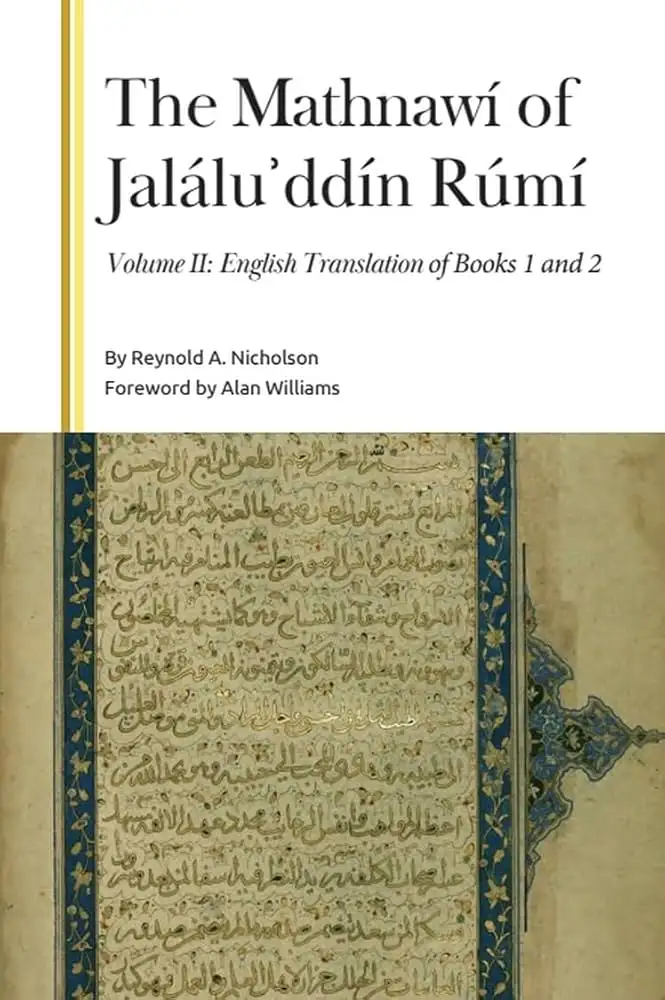
The Mathnawí of Jalálu’ddín Rúmí
Edited, translated and commented upon by Reynold A. Nicholson. 8 vols. Luzac, 1925–1940.
The Mathnawī is one of the greatest works of Sufi literature. Qur’anic interpretation, Prophetic tradition, narrative, spiritual psychology, metaphysics, ethics, humour and Divine love interact within a complex literary and spiritual architecture.
3.26 Jalāl al-Dīn Rūmī
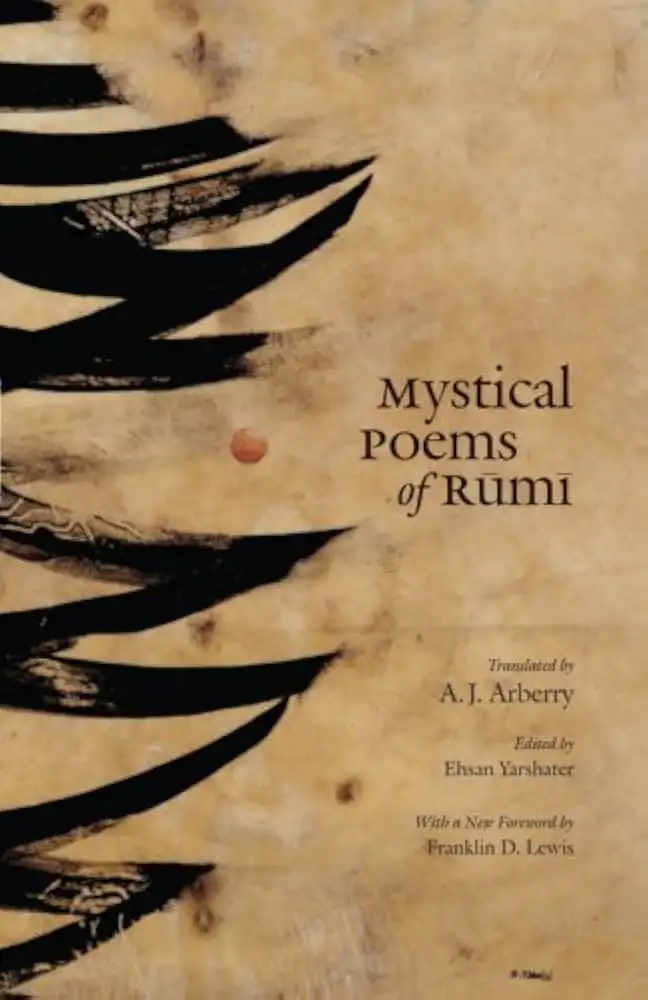
Mystical Poems of Rumi
Translated by A. J. Arberry. University of Chicago Press.
Rūmī’s lyric poetry discloses a spiritual world of love, ecstasy, absence, presence, music, dance and the dissolution of ordinary identity.
3.27 Jalāl al-Dīn Rūmī
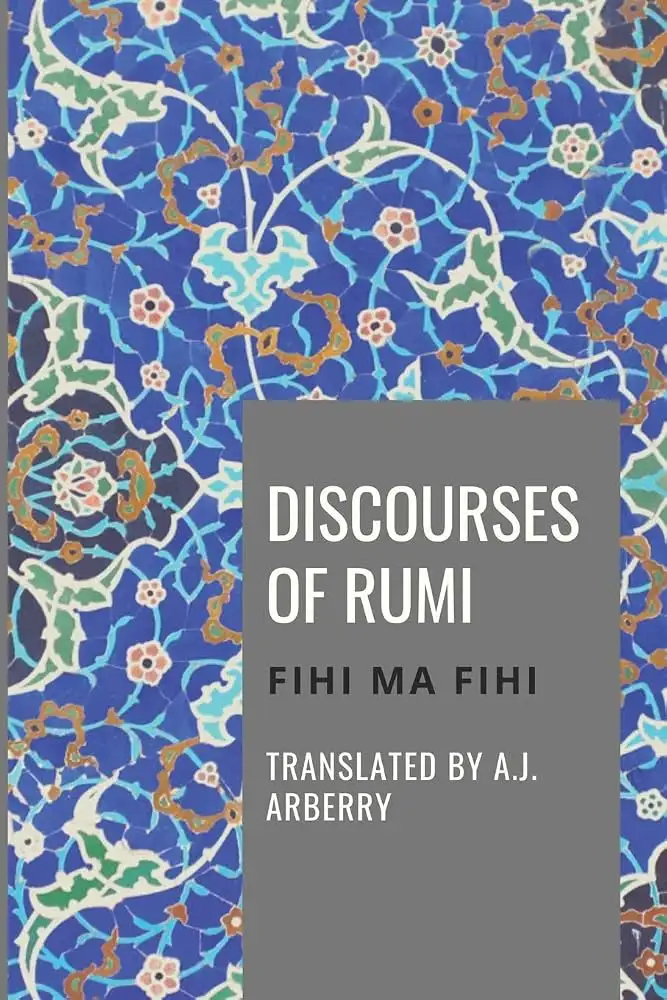
Discourses of Rumi (Fīhi mā Fīhi)
Translated by A. J. Arberry. John Murray, 1961.
These prose discourses provide an indispensable complement to the poetry and make many aspects of Rūmī’s spiritual teaching more directly accessible.
3.28 Fakhr al-Dīn ʿIrāqī
610–688/1213–1289; 7th/13th century
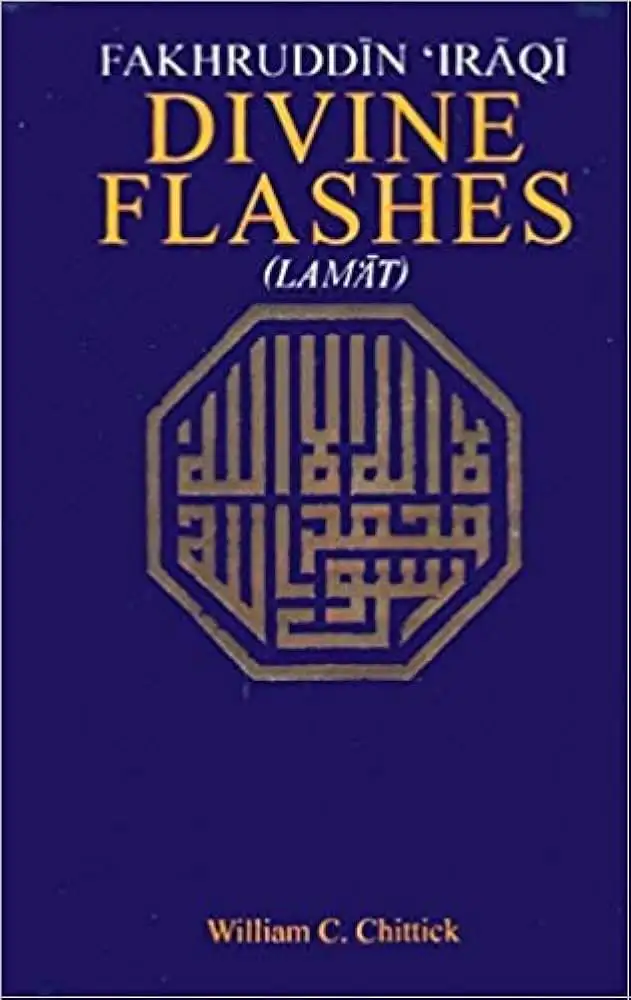
Divine Flashes (Lamaʿāt)
Translated by William C. Chittick and Peter Lamborn Wilson. Paulist Press, 1982.
The Lamaʿāt stands at the meeting point of Persian love mysticism and Akbarian metaphysics, demonstrating that ʿishq and maʿrifah can function as complementary modes of spiritual knowledge.
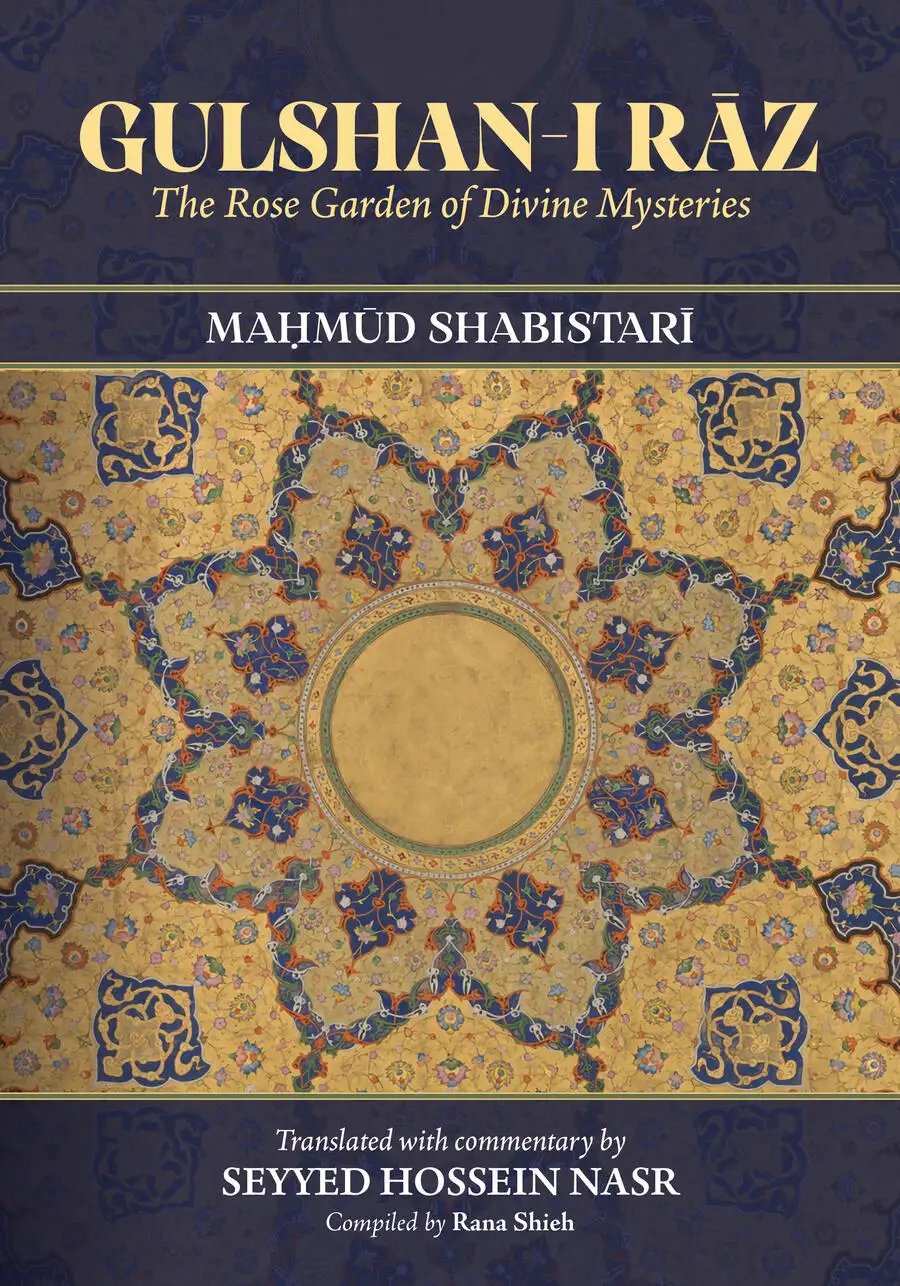
3.29 Maḥmūd Shabistarī
687–c. 740/1288–c. 1340; 7th–8th/13th–14th centuries
Gulshan-i Rāz: The Rose Garden of Divine Mysteries
Translated with commentary by Seyyed Hossein Nasr; compiled by Rana Shieh. State University of New York Press, 2025.
One of the most influential concise expositions of Persian theoretical Sufism, addressing knowledge, selfhood, spiritual journeying, symbolism, the Perfect Human, unity and multiplicity.
3.30 Nūr al-Dīn ʿAbd al-Raḥmān Jāmī
817–898/1414–1492; 9th/15th century
Lawāʾiḥ: A Treatise on Sufism
Translated by E. H. Whinfield and Mīrzā Muḥammad Qazvīnī. Royal Asiatic Society, 1906.
Jāmī brings together philosophical precision, poetic sensitivity and the mature Persian reception of Akbarian metaphysics.
3.31 Sayyid Muḥammad Mahdī Baḥr al-ʿUlūm
1155–1212/1742–1797; 12th–13th/18th century
Treatise on Spiritual Journeying and Wayfaring
Translated by Tawus Raja; edited and annotated by Sayyid Muḥammad Ḥusayn Ḥusaynī Tihrānī. Kazi Publications, 2013.
This treatise is especially important for the continuation of practical Islamic mysticism within a Shiʿi scholarly context. It presents spiritual life as a disciplined journey of purification, remembrance, vigilance, obedience and increasing concentration upon God.
The Classical Trajectory
Taken together, these texts reveal four overlapping movements:
- Formative vocabulary
- Systematic spiritual wayfaring
- Divine love
- Mystical metaphysics
Running through all four is a continuous tradition of spiritual psychology and transformation of the human being.
4. Rūmī and Persian Sufism
Rūmī occupies an exceptional position within Persian Sufism, but he should not be detached from the tradition that preceded him. Anṣārī, Aḥmad Ghazālī, Samʿānī, ʿAyn al-Quḍāt, Sanāʾī, ʿAṭṭār and Najm al-Dīn Rāzī had already developed many of the spiritual languages that reach extraordinary poetic intensity in Rūmī.
4.1 William C. Chittick
The Sufi Path of Love: The Spiritual Teachings of Rumi
State University of New York Press, 1983.
This remains one of the most important systematic introductions to Rūmī’s spiritual thought. Chittick reconstructs Rūmī’s intellectual and spiritual universe through carefully selected passages from his writings. God, cosmos, the human being, prophecy, sainthood, spiritual discipline, love, annihilation and union emerge as dimensions of an integrated worldview.
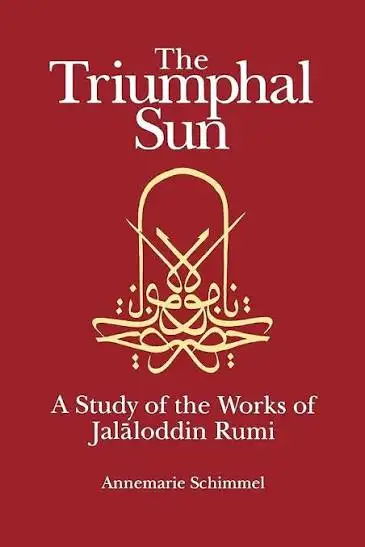
4.2 Annemarie Schimmel
The Triumphal Sun: A Study of the Works of Jalaloddin Rumi
Schimmel illuminates the symbolic universe of Rūmī: sun, light, water, fire, gardens, animals, music, dance and love. Her work demonstrates that the poetic image itself can carry spiritual knowledge.
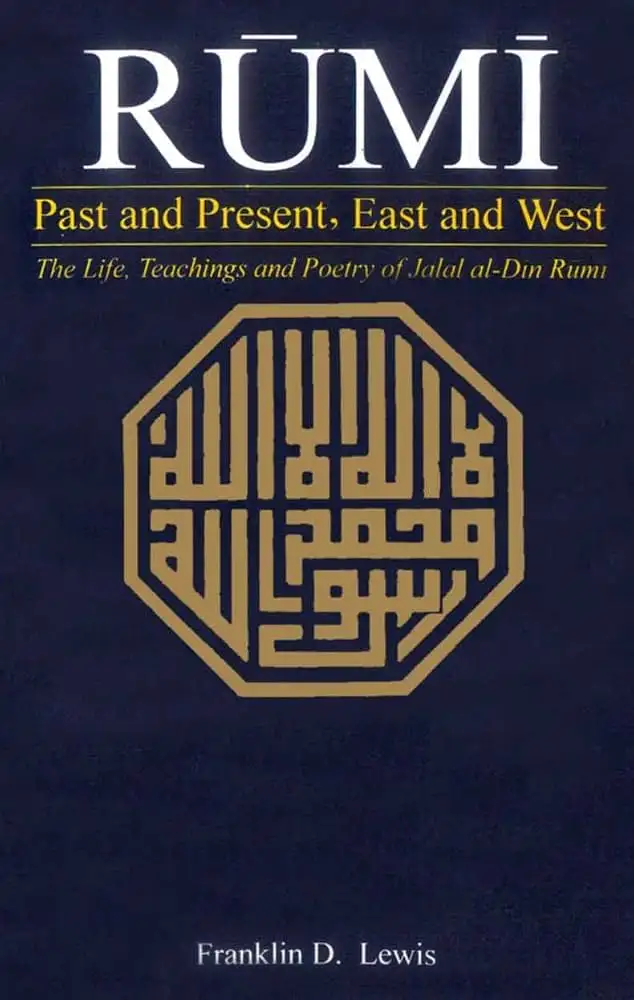
4.3 Franklin D. Lewis
Rumi: Past and Present, East and West
Oneworld Publications.
Lewis provides an indispensable combination of biography, textual scholarship, literary analysis and reception history. Of particular importance is his insistence upon restoring Rūmī to his Islamic, Qur’anic, Persian and Sufi contexts.
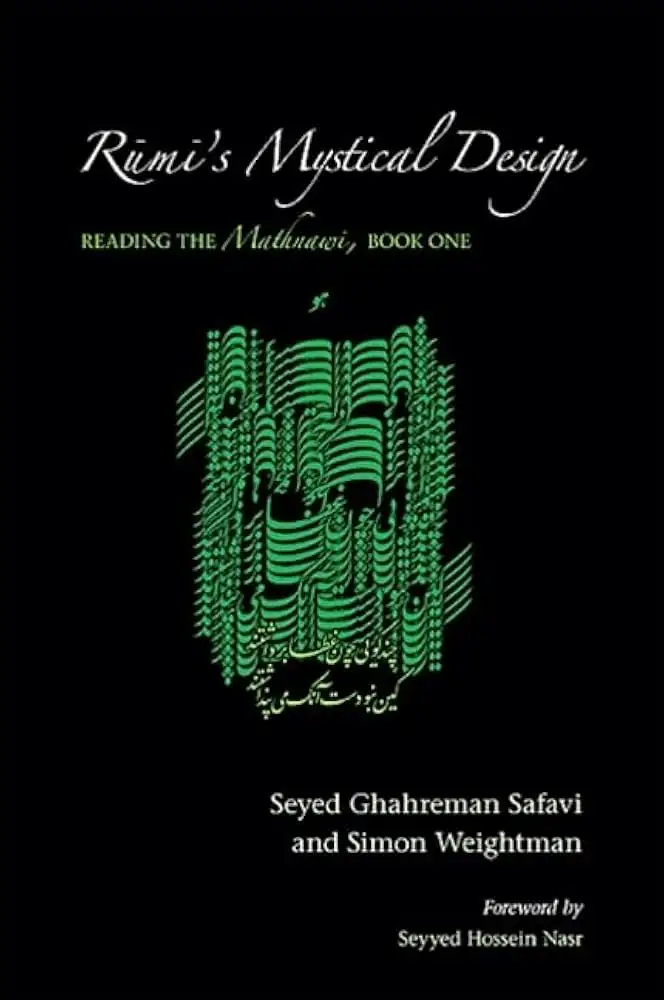
4.4 Seyed G Safavi [Seyed Salman Safavi] and Simon Weightman
Rūmī’s Mystical Design: Reading the Mathnawi, Book One
State University of New York Press, 2009.
This work proposes a structural-hermeneutical reading of the Mathnawī. Rather than treating Book One as a largely spontaneous succession of stories and digressions, it demonstrates an underlying architecture connecting apparently separated narratives and semantic units.
Its importance lies in the proposition that structure itself participates in the production of mystical meaning. The Mathnawī does not simply communicate information about the spiritual journey; its organisation requires the reader to seek relationships concealed beneath apparent discontinuity.
The book thus introduces a distinctive methodological dimension into Rūmī studies:
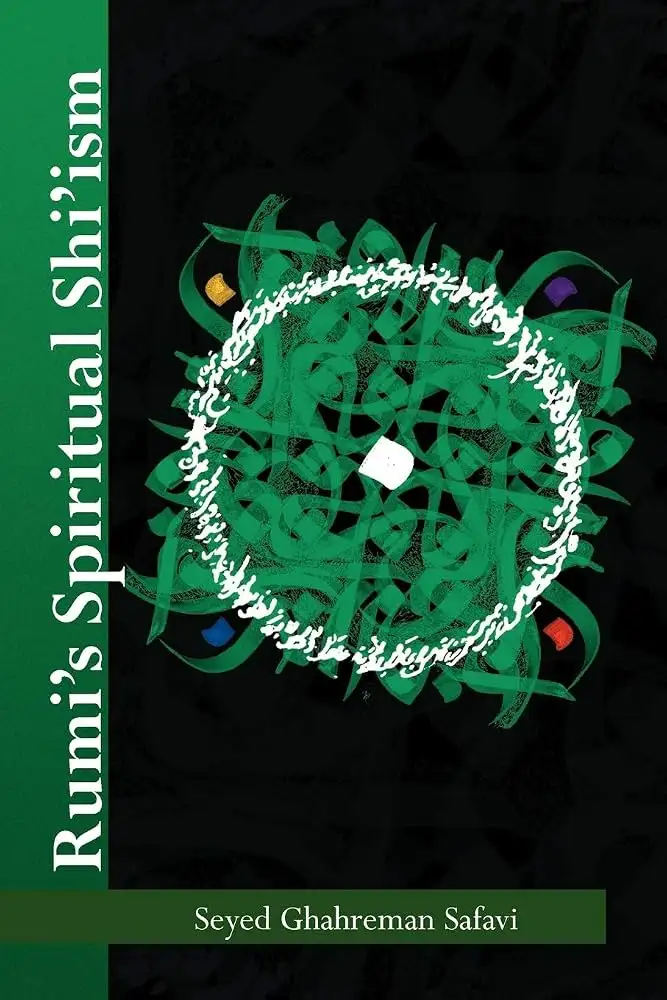
4.5 Seyed Salman Safavi, ed.
Rumi’s Spiritual Shi’ism
London Academy of Iranian Studies Press, 2008.
Rumi’s Spiritual Shi’ism brings an important dimension to the study of Rūmī that is often underrepresented in modern scholarship: the relationship between Rūmī’s Sufism, spiritual walāyah and Shiʿi spirituality. The volume brings together five studies by Seyyed Hossein Nasr, Nūr ʿAlī Tābandeh, Shahram Pazouki, William C. Chittick and Seyed Salman Safavi, approaching the subject from complementary historical, doctrinal, mystical and textual perspectives.
The volume does not attempt simply to redefine Rūmī according to later sectarian categories. Its more significant contribution lies in examining the spiritual meaning of Shiʿism and walāyah beyond the boundaries of formal juridical affiliation. This distinction is particularly important in the case of Rūmī, whose historical identity must be distinguished from the spiritual and mystical structures of authority, love and sanctity articulated in his works.
Several interconnected themes consequently emerge:
The contribution by Seyyed Hossein Nasr provides a broader conceptual and historical discussion of the relationship between Shiʿism and Sufism, while Nūr ʿAlī Tābandeh examines the relationship between Shiʿism, Sufism and ʿirfān. Shahram Pazouki focuses upon spiritual walāyah and love in the Mathnawī, and William C. Chittick investigates Rūmī’s treatment of Imam Ḥusayn. Safavi’s concluding study develops the central thesis of the volume concerning Rūmī’s spiritual Shiʿism.
The book is therefore particularly valuable when read alongside Rūmī’s Mystical Design. The two works approach Rūmī from different but complementary directions:
Together they broaden the interpretation of Rūmī beyond a purely literary or universalist reading and return attention to the specifically Islamic intellectual, spiritual and hermeneutical contexts of the Mathnawī.
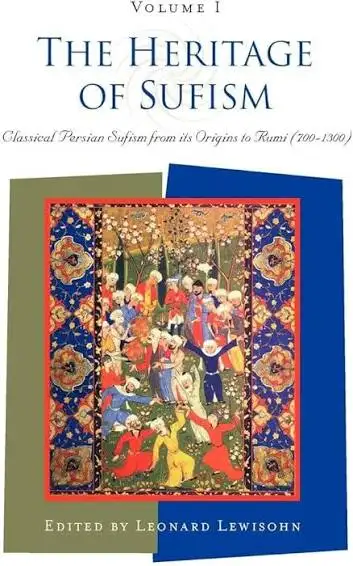
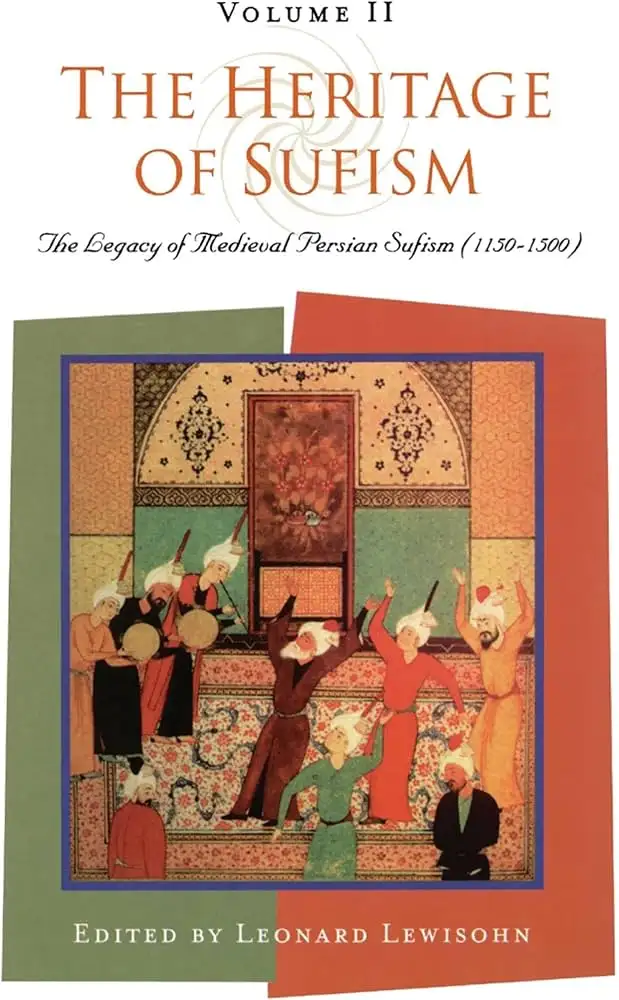
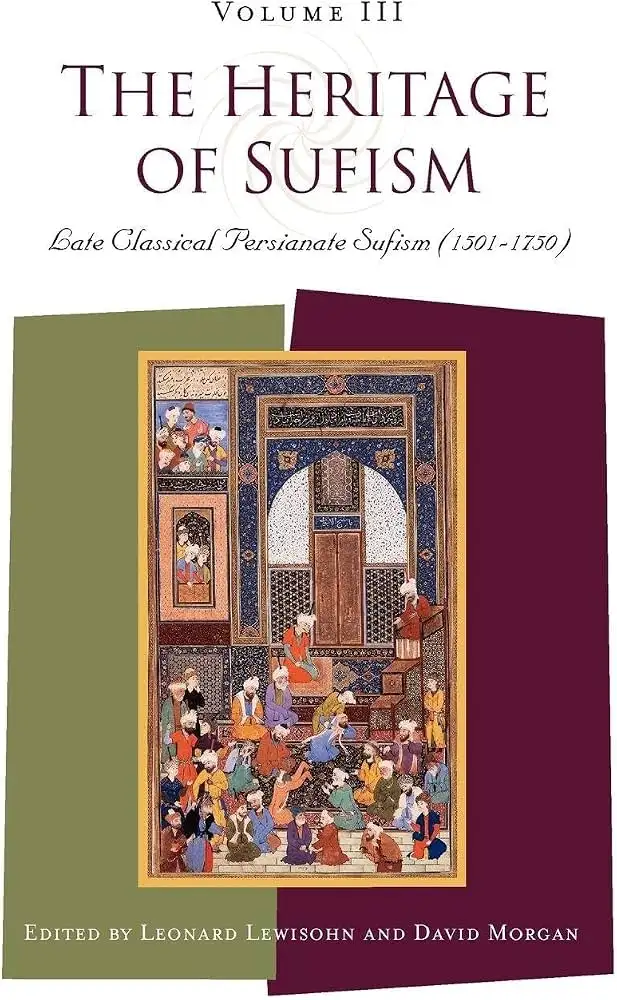
4.6 The Heritage of Sufism
Edited by Leonard Lewisohn; Volume III edited by Leonard Lewisohn and David Morgan.
The three volumes collectively provide one of the most substantial scholarly resources for Persian Sufism in English. They situate Rūmī within the larger development of Persian mystical literature rather than treating him as an isolated genius.
5. Ibn ʿArabī and Sufi Metaphysics
Ibn ʿArabī occupies a pivotal position in theoretical Sufism. His writings transformed the conceptual language through which later generations discussed Divine self-disclosure, the Divine Names, imagination, prophecy and sainthood, the Perfect Human, and the relationship between Unity and multiplicity.
5.1 William C. Chittick
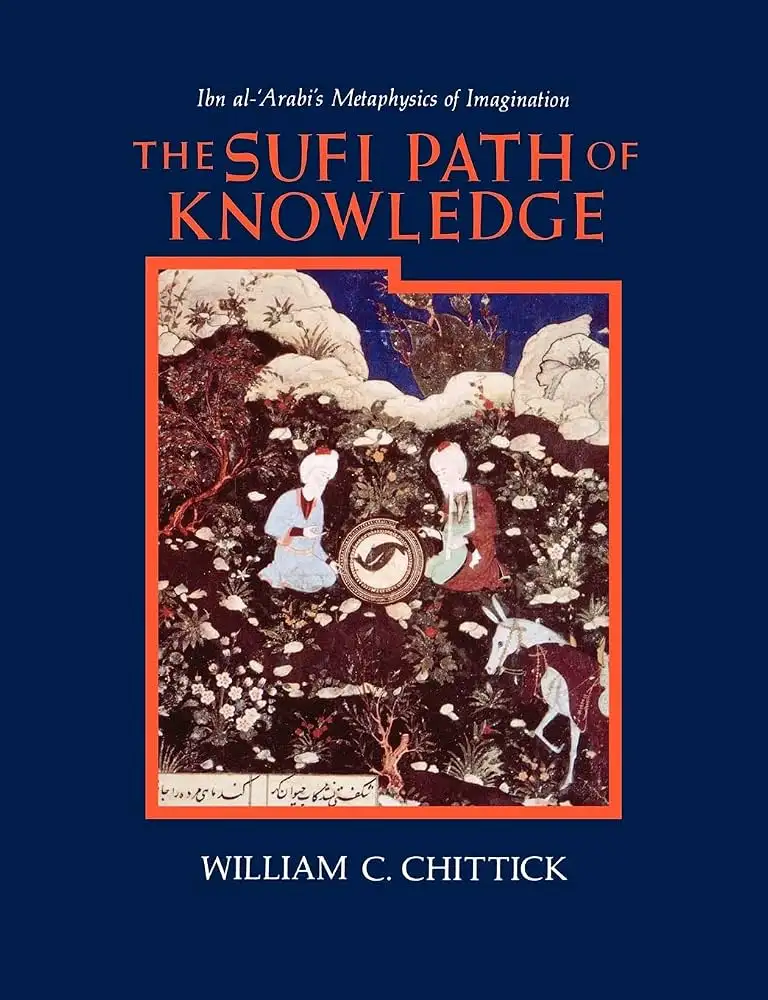
The Sufi Path of Knowledge: Ibn al-ʿArabi’s Metaphysics of Imagination
State University of New York Press, 1989.
One of the most important English studies of Ibn ʿArabī, this work reconstructs his theology, ontology, epistemology, hermeneutics and spiritual anthropology through extensive engagement with the primary Arabic writings.
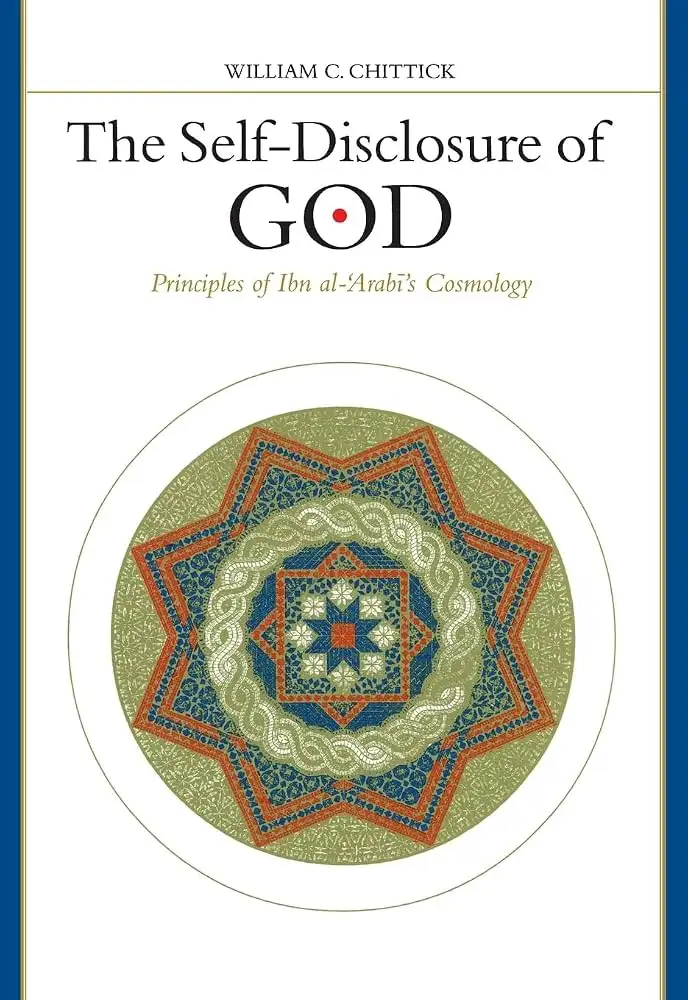
5.2 William C. Chittick
The Self-Disclosure of God: Principles of Ibn al-ʿArabi’s Cosmology
State University of New York Press, 1998.
The governing concept is tajallī. Creation is understood through the continually renewed self-disclosure of Divine Names and qualities. The work is fundamental for understanding the relationship between God, cosmos and human soul.
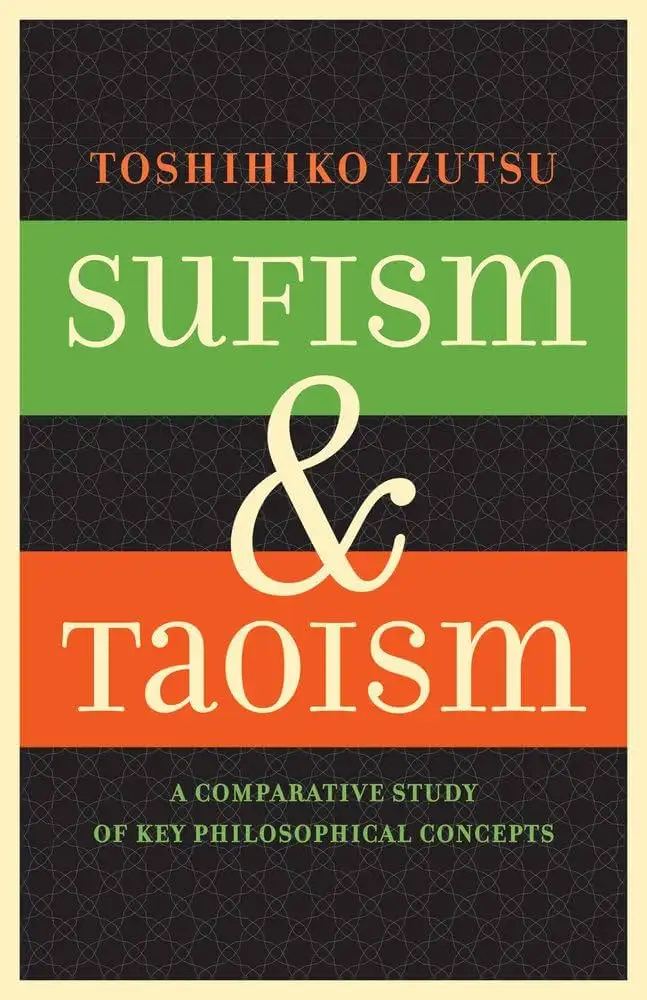
5.3 Toshihiko Izutsu
Sufism and Taoism: A Comparative Study of Key Philosophical Concepts
University of California Press, 1984.
Izutsu provides a sophisticated semantic analysis of Ibn ʿArabī’s key ontological concepts. His attention to semantic fields makes the work particularly valuable for understanding how concepts derive meaning from their relationships within an integrated metaphysical system.
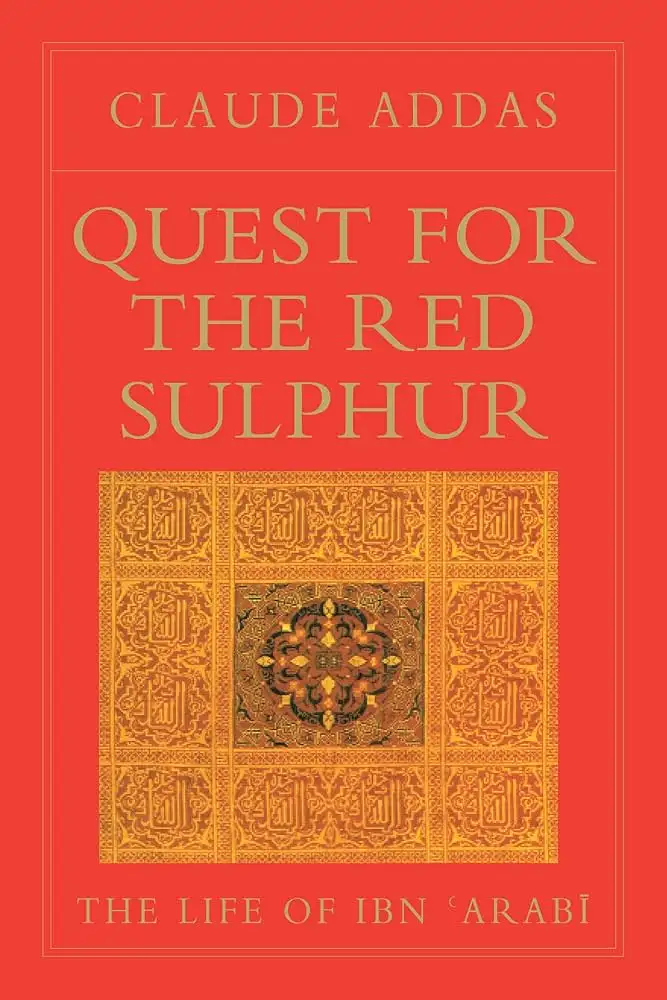
5.4 Claude Addas
Quest for the Red Sulphur: The Life of Ibn ʿArabī
Translated by Peter Kingsley. Islamic Texts Society, 1993.
Addas reconstructs Ibn ʿArabī’s geographical and spiritual itinerary and provides an indispensable historical framework for reading his writings.
5.5 Henry Corbin
Creative Imagination in the Sufism of Ibn ʿArabī
Translated by Ralph Manheim. Princeton University Press, 1969.
Corbin’s influential interpretation focuses upon imagination, visionary experience and theophany. It is particularly useful when complemented by the more textually systematic studies of Chittick.
Together:
6. William C. Chittick: Major Works on Sufism
William C. Chittick has made an exceptional contribution to the study and translation of Islamic mystical thought. His scholarship combines sustained engagement with Arabic and Persian primary sources with an attempt to allow the conceptual vocabulary of Sufism to emerge from within its own intellectual world.
In addition to The Sufi Path of Love, The Sufi Path of Knowledge, The Self-Disclosure of God, his co-translation of ʿIrāqī’s Divine Flashes, and his translation of Samʿānī’s The Repose of the Spirits, the following works are particularly important:
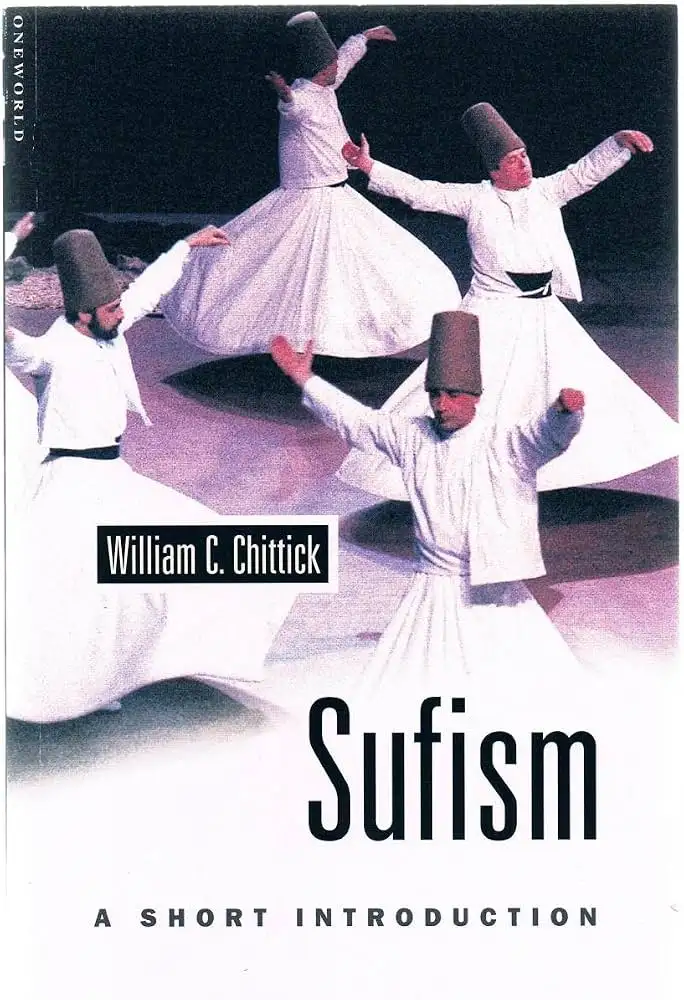
Sufism: A Short Introduction
Oneworld, 2000.
An accessible but conceptually serious introduction to Sufism, its relationship to Islam, the Qur’an, dhikr, the spiritual path, knowledge, love and human perfection.
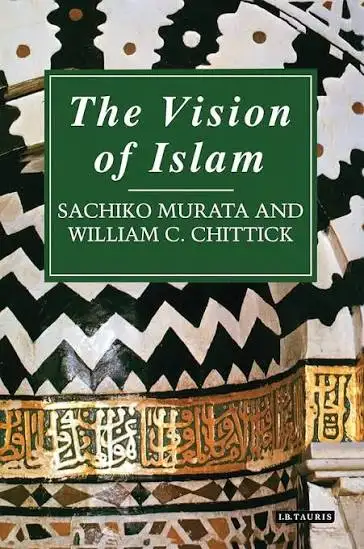
The Vision of Islam
with Sachiko Murata. Paragon House, 1994.
Structured around the Ḥadīth of Gabriel and the three dimensions of islām, īmān and iḥsān, this work provides an important Islamic framework within which Sufism can be understood.
The Heart of Islamic Philosophy
Oxford University Press, 2001.
A major study of Afḍal al-Dīn Kāshānī centred upon self-knowledge, existence and human perfection.
Science of the Cosmos, Science of the Soul
Oneworld, 2007.
An exploration of Islamic cosmology and its relevance to the modern separation of knowledge from transformation of the knower.
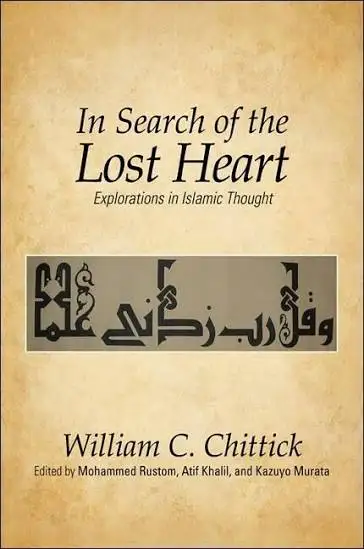
In Search of the Lost Heart
State University of New York Press, 2012.
A collection of studies exploring knowledge, love, selfhood, cosmology and spiritual realisation across Islamic intellectual traditions.
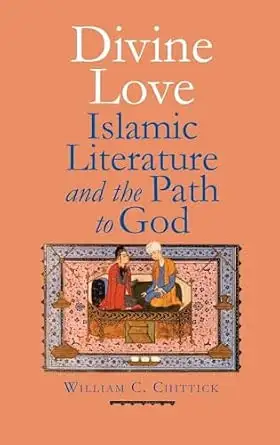
Divine Love: Islamic Literature and the Path to God
Yale University Press, 2013.
One of Chittick’s most important mature works. Love is treated as a central cosmological, anthropological and soteriological principle within Islamic spirituality.
Chittick’s contribution may therefore be mapped as:
7. Selected Major Modern Studies
The modern literature on Sufism is immense. The present selection remains deliberately limited because general histories cannot substitute for primary sources.
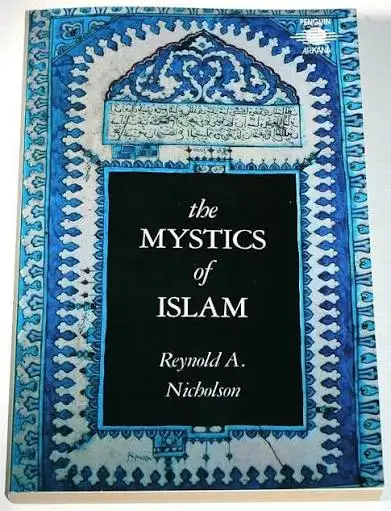
7.1 Reynold A. Nicholson
The Mystics of Islam
G. Bell and Sons, 1914.
Historically foundational for English-language Sufi studies and still useful when read critically in relation to the scholarly assumptions of its period.
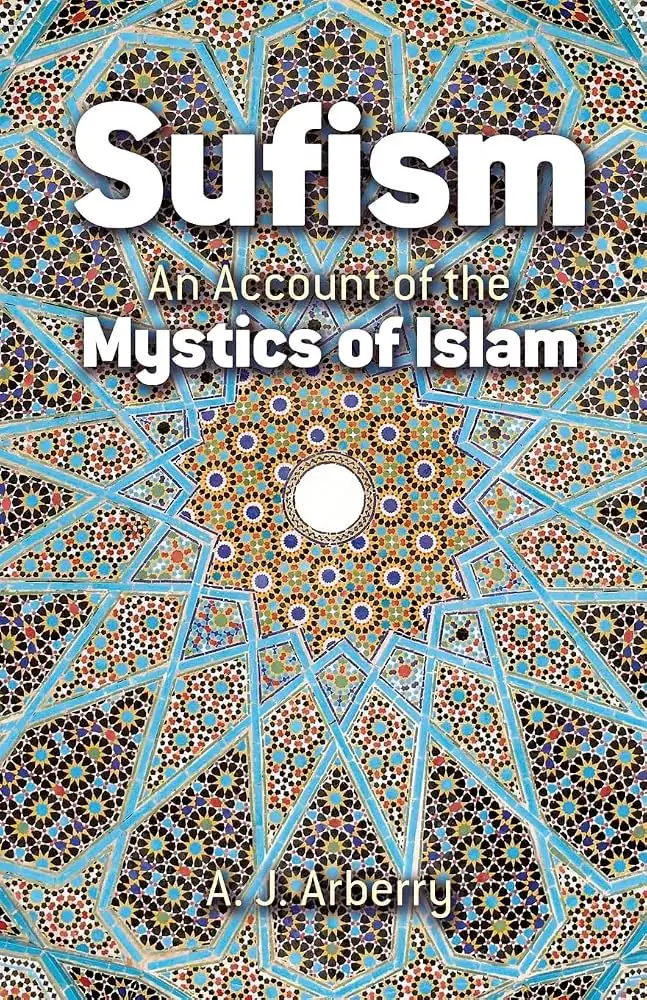
7.2 A. J. Arberry
Sufism: An Account of the Mystics of Islam
George Allen & Unwin, 1950.
A concise historical and thematic introduction grounded in extensive philological familiarity with Arabic and Persian primary sources.

7.3 Seyyed Hossein Nasr
Sufi Essays
State University of New York Press, 1972.
Nasr situates Sufism within the Qur’anic, intellectual and spiritual universe of Islam and resists interpretations that detach it from Islamic revelation and tradition.
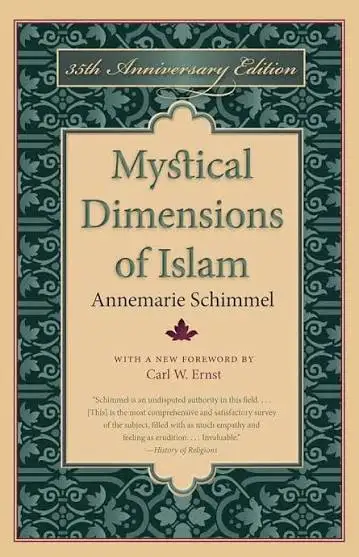
7.4 Annemarie Schimmel
Mystical Dimensions of Islam
University of North Carolina Press, 1975.
One of the most influential broad introductions to Sufism, distinguished particularly by its sensitivity to Arabic, Persian, Turkish and Indo-Muslim mystical literature.
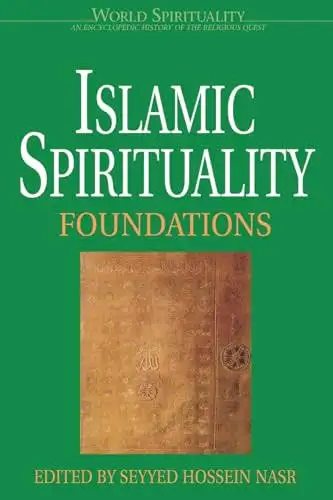
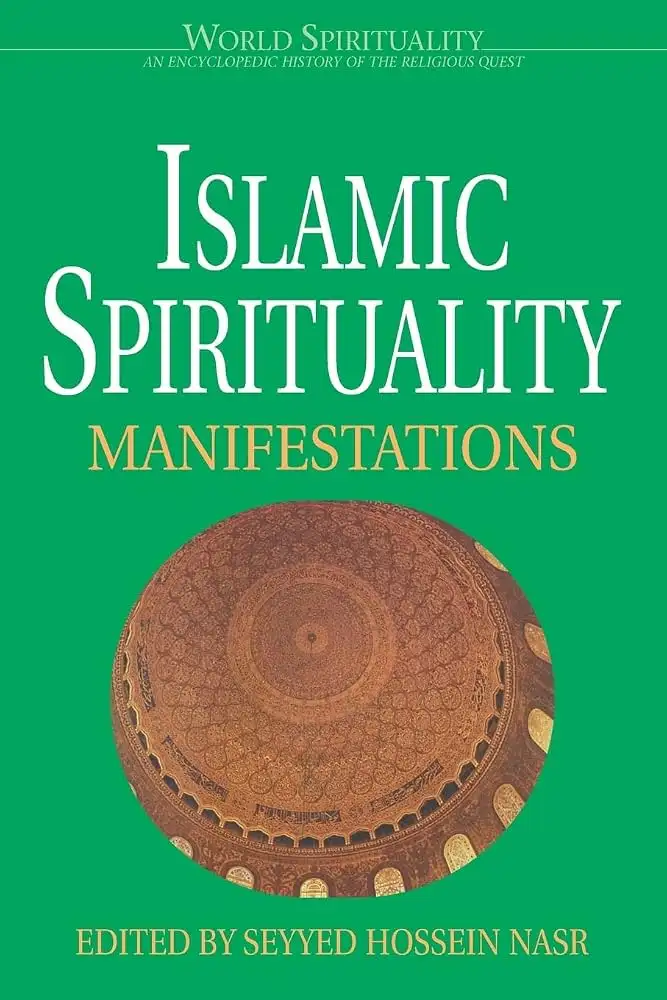
7.5 Seyyed Hossein Nasr, ed.
Islamic Spirituality: Foundations
Crossroad, 1987.
Islamic Spirituality: Manifestations
Crossroad, 1991.
Together these volumes locate Sufism within the broader history of Islamic spirituality, revelation, intellectual culture and civilisation.
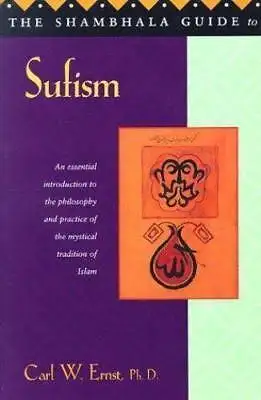
7.6 Carl W. Ernst
The Shambhala Guide to Sufism
Shambhala, 1997.
An accessible but critically informed introduction attentive to the difficulties involved in applying modern Western categories of “mysticism” to Islamic materials.
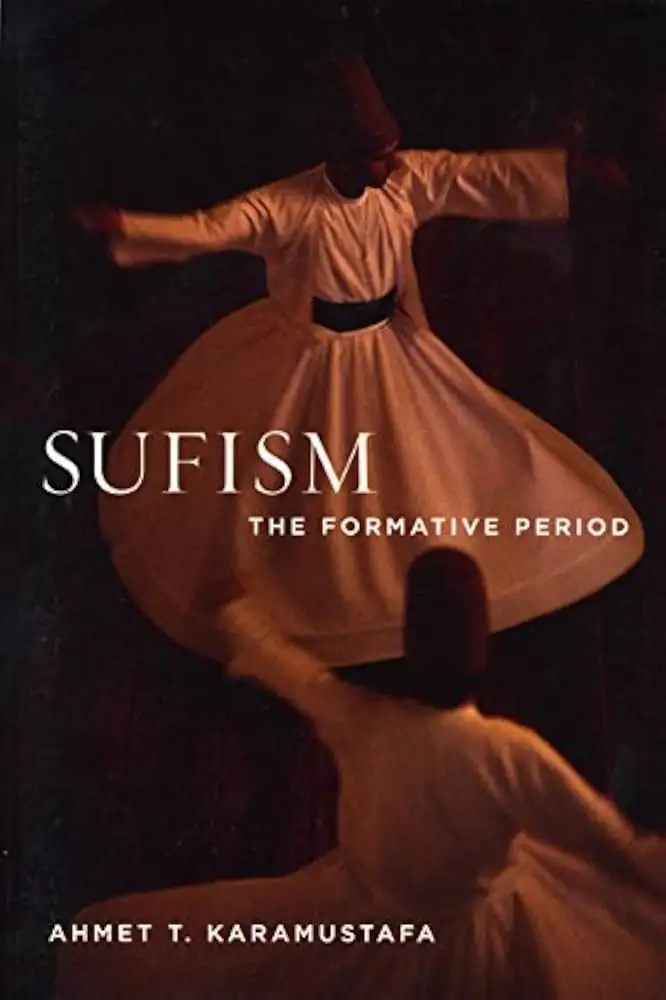
7.7 Ahmet T. Karamustafa
Sufism: The Formative Period
Edinburgh University Press, 2007.
One of the strongest concise studies of the historical processes through which diverse ascetic, devotional and mystical tendencies developed into recognisable forms of Sufi identity.

7.8 Carl W. Ernst and Bruce B. Lawrence
Sufi Martyrs of Love: The Chishti Order in South Asia and Beyond
Palgrave Macmillan, 2002.
This study is important for balancing a bibliography dominated by texts and metaphysics with attention to the lived, institutional and social history of a major Sufi order.
8. Sufism (‘Irfan)
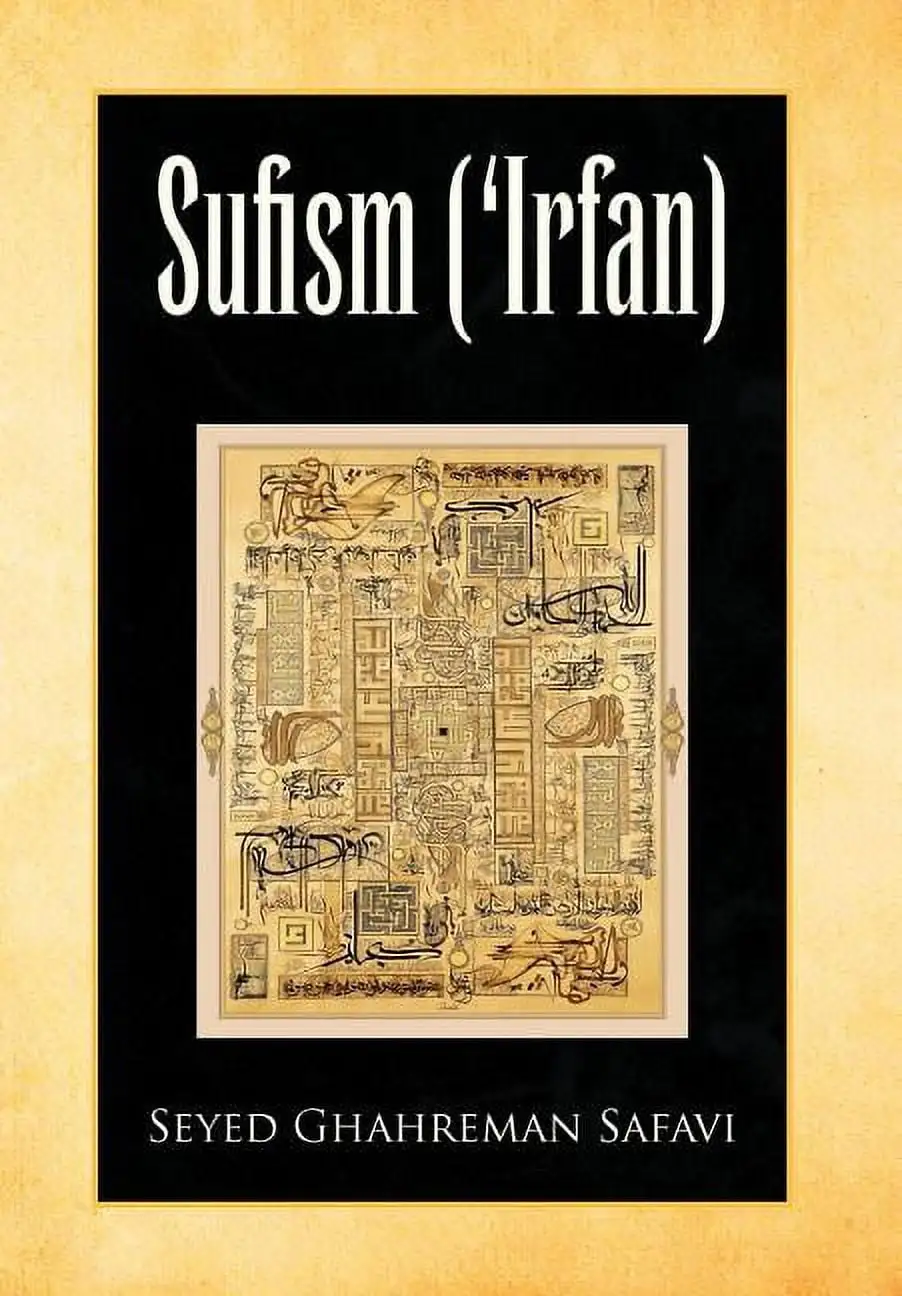
Seyed Salman Safavi, ed. · London Academy of Iranian Studies Press, 2009.
This substantial collective volume brings together studies of theoretical and practical Sufism, the relationship between Sufism and Shiʿism, the foundations and epistemology of ʿirfān, major Sufi figures including al-Ghazālī, Ibn ʿArabī and Rūmī, and comparative mysticism. It is particularly valuable for its attempt to present Sufism simultaneously as an intellectual, spiritual and practical tradition rather than reducing it to mystical experience alone. Its inclusion also strengthens the present bibliography’s treatment of the relationship between theoretical ʿirfān, practical ʿirfān and Shiʿi spirituality.
9. Practical Sufism and the Civilisational Horizon
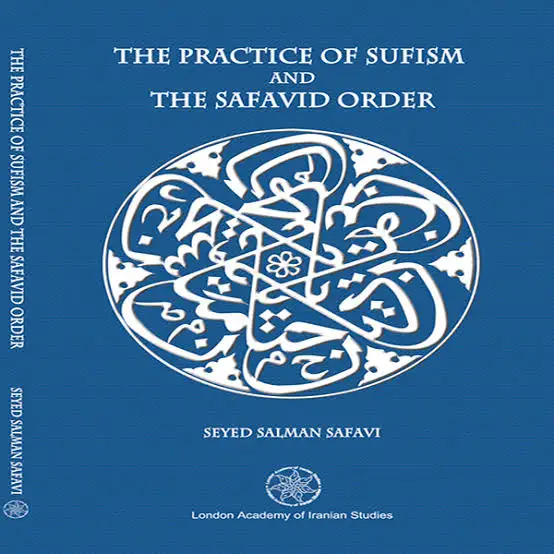
Contemporary contribution
The Practice of Sufism and the Safavid Order
Seyed Salman Safavi · London Academy of Iranian Studies Press, 2018.
The Practice of Sufism and the Safavid Order represents an important contemporary attempt to reconnect the inner, ethical and transformative dimensions of practical Sufism with its social, historical and civilisational potential.
Its starting point is practical Sufism (ʿirfān-i ʿamalī): transformation through awakening, self-knowledge, purification of the nafs, dhikr, spiritual discipline, love, ethical action and service.
The historical experience of the Safavid Sufi Order provides the principal case through which the wider social implications of this process are examined.
The movement can be represented as:
The significance of the Safavid movement cannot be restricted to dynastic political history. Its trajectory from Sufi ṭarīqah towards organised social and political power contributed to the reunification of Iran and the establishment and consolidation of Twelver Shiʿism as the defining religious framework of the Safavid state.
The subsequent Safavid period witnessed major developments in philosophy, Shiʿi scholarship, architecture, urbanism, calligraphy, painting, book arts and other forms of cultural creativity. Historical precision requires that this flourishing not be attributed monocausally to Sufism. Safavid civilisation resulted from complex interactions among religious, political, economic, intellectual and cultural forces.
The theoretical importance of the Safavid case lies instead in demonstrating that a movement rooted in spiritual formation can, under particular historical circumstances, acquire collective organisation and become one of the forces shaping religious identity, political order and cultural creativity.
The model may therefore be expressed as:
This may be termed the civilisational horizon of practical Sufism.
10. A Recommended Path of Study
A productive reading programme may be organised into five stages.
Stage One: Foundations
- Chittick, Sufism: A Short Introduction
- Schimmel, Mystical Dimensions of Islam
- al-Qushayrī, Epistle on Sufism
Orientation → Vocabulary → Primary Text
Stage Two: Practical Sufism
- Anṣārī, Manāzil al-Sāʾirīn
- al-Ghazālī, Minhāj al-ʿĀbidīn
- al-Suhrawardī, ʿAwārif al-Maʿārif
- Najm al-Dīn Rāzī, Mirṣād al-ʿIbād
- al-Ṭūsī, Awṣāf al-Ashrāf
- Baḥr al-ʿUlūm, Treatise on Spiritual Journeying and Wayfaring
Stage Three: Love and the Divine Names
- Aḥmad Ghazālī, Sawāniḥ
- Samʿānī, The Repose of the Spirits
- ʿAṭṭār, The Conference of the Birds
- Rūmī, Mathnawī
- ʿIrāqī, Divine Flashes
Stage Four: Metaphysics
- Ibn ʿArabī, Fuṣūṣ al-Ḥikam
- selected Futūḥāt
- Shabistarī, Gulshan-i Rāz
- Jāmī, Lawāʾiḥ
accompanied by Izutsu and Chittick.
Stage Five: Text, Structure and Civilisation
- Safavi and Weightman, Rūmī’s Mystical Design
- Safavi, The Practice of Sufism and the Safavid Order
These works expand the reading programme in two complementary directions:
11. Conclusion: From Transformation of the Self to the Civilisational Horizon of Sufism
The literature examined in this study demonstrates that Sufism cannot adequately be reduced to mystical experience, poetry, metaphysics, asceticism or the institutional history of Sufi orders. It constitutes an integrated discourse concerning God, the human being, purification of the nafs, transformation of the heart, Divine love, knowledge, ethical action, spiritual community and the journey towards human perfection.
Across this diversity stands a persistent anthropological proposition:
The human being is capable of spiritual transformation.
The nafs can be disciplined, the heart purified, perception transformed, character refined and human existence increasingly oriented towards God.
The classical literature may therefore be read through a dynamic sequence:
This also explains why practical and theoretical Sufism should not be separated. Theoretical Sufism clarifies God, cosmos and the human being; practical Sufism concerns the existential transformation through which these truths become realised.
A further question then arises: what happens when transformed individuals form enduring communities?
The history of the ṭarīqah demonstrates that Sufism has never been exclusively a private spirituality. Master–disciple relationships generated communities; communities developed forms of transmission, education, ethical discipline, collective dhikr, service and social solidarity.
The relationship can therefore become:
This does not mean that political power is the natural culmination of Sufism. Historically, Sufi orders adopted widely differing relationships towards political authority. It does, however, demonstrate that inward transformation and social history cannot always be treated as unrelated domains.
The Safavid historical experience is particularly important in this respect. A Sufi order centred upon spiritual authority and the relationship between murshid and murīd developed over generations into a powerful social movement. Its later political transformation contributed decisively to the reunification of Iran and the institutional consolidation of Twelver Shiʿism. Safavid Iran subsequently became the setting for one of the major periods of post-Islamic Iranian intellectual, artistic and cultural creativity.
Safavi’s The Practice of Sufism and the Safavid Order brings these two domains—individual spiritual wayfaring and the historical experience of the Safavid Order—into a single interpretative framework. It thereby opens towards what may be termed the civilisational horizon of practical Sufism:
At the textual level, Rūmī’s Mystical Design offers a complementary methodological insight. Mystical meaning does not reside only in isolated propositions or symbols; the structure of the text itself may participate in the disclosure of meaning. Reading Sufi literature therefore requires attention not only to vocabulary and doctrine but also to semantic relationships, textual architecture and hermeneutical movement.
These two perspectives extend the study of Sufism in complementary directions:
The study of Sufism thus ultimately moves through three interconnected levels:
The text preserves and transmits spiritual knowledge.
Transformation turns knowledge into existential becoming through dhikr, purification, love, knowledge and ethical action.
Civilisation represents the widest possible social horizon: forms of collective life in which spiritual knowledge, ethical responsibility, beauty and cultural creativity may become mutually sustaining.
Sufism begins with the transformation of the heart. Its widest historical horizon opens towards the transformation of human life.
12. The Essential Twenty-Five
For readers seeking the concentrated core of the bibliography, the following twenty-five works provide a balanced programme of primary texts and major modern interpretations:
- 01Kitāb al-Lumaʿ fī al-Taṣawwuf
- 02The Doctrine of the Sufis
- 03Al-Qushayri’s Epistle on Sufism
- 04Kashf al-Maḥjūb
- 05Manāzil al-Sāʾirīn
- 06Iḥyāʾ ʿUlūm al-Dīn
- 07Minhāj al-ʿĀbidīn
- 08ʿAwārif al-Maʿārif
- 09Mirṣād al-ʿIbād
- 10Awṣāf al-Ashrāf
- 11Treatise on Spiritual Journeying and Wayfaring
- 12Sawāniḥ
- 13The Repose of the Spirits
- 14The Conference of the Birds
- 15Mathnawī
- 16Divine Flashes
- 17Fuṣūṣ al-Ḥikam / The Bezels of Wisdom
- 18Gulshan-i Rāz
- 19Lawāʾiḥ
- 20Mystical Dimensions of Islam
- 21The Sufi Path of Love
- 22The Sufi Path of Knowledge
- 23Rumi: Past and Present, East and West
- 24Rūmī’s Mystical Design: Reading the Mathnawi, Book One
- 25The Practice of Sufism and the Safavid Order
These twenty-five works trace a coherent intellectual movement:
Bibliography
Addas, C. (1993). Quest for the red sulphur: The life of Ibn ʿArabī (P. Kingsley, Trans.). Islamic Texts Society.
Arberry, A. J. (1950). Sufism: An account of the mystics of Islam. George Allen & Unwin.
Anṣārī, ʿA. (1978). Intimate conversations (W. M. Thackston, Trans.). In The book of wisdom / Intimate conversations (pp. 163–226). Paulist Press.
Anṣārī, ʿA. (2011). Stations of the wayfarers (Manāzil al-Sāʾirīn) (H. Rifa’i, Trans.). Albouraq / Raqim Foundation.
ʿAṭṭār, F. al-D. (1984). The conference of the birds (A. Darbandi & D. Davis, Trans.). Penguin Classics.
ʿAṭṭār, F. al-D. (1966). Muslim saints and mystics: Episodes from the Tadhkirat al-Auliya (A. J. Arberry, Trans.). Routledge & Kegan Paul.
Baḥr al-ʿUlūm, S. M. M. (2013). Treatise on spiritual journeying and wayfaring (T. Raja, Trans.; S. M. H. H. Tihrānī, Ed. & Annot.). Kazi Publications.
Chittick, W. C. (1983). The Sufi path of love: The spiritual teachings of Rumi. State University of New York Press.
Chittick, W. C. (1989). The Sufi path of knowledge: Ibn al-ʿArabi’s metaphysics of imagination. State University of New York Press.
Chittick, W. C. (1998). The self-disclosure of God: Principles of Ibn al-ʿArabi’s cosmology. State University of New York Press.
Chittick, W. C. (2000). Sufism: A short introduction. Oneworld Publications.
Chittick, W. C. (2001). The heart of Islamic philosophy: The quest for self-knowledge in the teachings of Afdal al-Din Kashani. Oxford University Press.
Chittick, W. C. (2007). Science of the cosmos, science of the soul: The pertinence of Islamic cosmology in the modern world. Oneworld Publications.
Chittick, W. C. (2012). In search of the lost heart: Explorations in Islamic thought. State University of New York Press.
Chittick, W. C. (2013). Divine love: Islamic literature and the path to God. Yale University Press.
Corbin, H. (1969). Creative imagination in the Sufism of Ibn ʿArabi (R. Manheim, Trans.). Princeton University Press.
Ernst, C. W. (1997). The Shambhala guide to Sufism. Shambhala.
Ernst, C. W., & Lawrence, B. B. (2002). Sufi martyrs of love: The Chishti order in South Asia and beyond. Palgrave Macmillan.
Ghazālī, A. (1986). Sawāniḥ: Inspirations from the world of pure spirits (N. Pourjavady, Trans. & Comm.). KPI.
Ghazālī, A. Ḥ. (2011). Revival of religion’s sciences: Iḥyāʾ ʿulūm al-dīn. Dar Al-Kotob Al-Ilmiyah.
Ghazālī, A. Ḥ. (1998). The niche of lights (D. Buchman, Trans.). Brigham Young University Press.
Ghazālī, A. Ḥ. (2012). The path of worshippers to the paradise of the Lord of the worlds: Minhāj al-ʿĀbidīn (M. H. Faghfoory, Trans. & Annot.). University Press of America.
ʿAyn al-Quḍāt Hamadānī. (1969). A Sufi martyr: The Apologia of ʿAin al-Qudat al-Hamadhani (A. J. Arberry, Trans.). George Allen & Unwin.
Hujwīrī, ʿA. b. ʿU. (1911). The Kashf al-Mahjub: The oldest Persian treatise on Sufism (R. A. Nicholson, Trans.). E. J. Brill & Luzac.
Ibn ʿArabī, M. al-D. (1911). The Tarjumán al-Ashwáq (R. A. Nicholson, Ed. & Trans.). Royal Asiatic Society.
Ibn ʿArabī, M. al-D. (1980). The bezels of wisdom (R. W. J. Austin, Trans.). Paulist Press.
Ibn ʿArabī, M. al-D. (2002). The Meccan revelations (M. Chodkiewicz, Ed.; W. C. Chittick & J. W. Morris, Trans.; Vol. 1). Pir Press.
ʿIrāqī, F. al-D. (1982). Divine flashes (W. C. Chittick & P. L. Wilson, Trans.). Paulist Press.
Izutsu, T. (1984). Sufism and Taoism: A comparative study of key philosophical concepts. University of California Press.
Jāmī, ʿA. al-R. (1906). Lawāʾiḥ: A treatise on Sufism (E. H. Whinfield & M. M. Qazvīnī, Trans.). Royal Asiatic Society.
Kalābādhī, A. B. (1935). The doctrine of the Sufis (A. J. Arberry, Trans.). Cambridge University Press.
Karamustafa, A. T. (2007). Sufism: The formative period. Edinburgh University Press.
Zargar, C. A. (2013). The ten principles: Theoretical implications of volitional death in Najm al-Dīn Kubrā’s al-Uṣūl al-ʿAshara (A study and translation). The Muslim World, 103(1), 107–130.
Lewis, F. D. (2007). Rumi: Past and present, East and West: The life, teachings, and poetry of Jalâl al-Din Rumi (Rev. ed.). Oneworld Publications.
Lewisohn, L. (Ed.). (1999). The heritage of Sufism: Vol. 1. Classical Persian Sufism from its origins to Rumi (700–1300). Oneworld Publications.
Lewisohn, L. (Ed.). (1999). The heritage of Sufism: Vol. 2. The legacy of medieval Persian Sufism (1150–1500). Oneworld Publications.
Lewisohn, L., & Morgan, D. (Eds.). (1999). The heritage of Sufism: Vol. 3. Late classical Persianate Sufism (1501–1750): The Safavid and Mughal period. Oneworld Publications.
Murata, S., & Chittick, W. C. (1994). The vision of Islam. Paragon House.
Nasr, S. H. (1972). Sufi essays. State University of New York Press.
Nasr, S. H. (Ed.). (1987). Islamic spirituality: Foundations. Crossroad.
Nasr, S. H. (Ed.). (1991). Islamic spirituality: Manifestations. Crossroad.
Nicholson, R. A. (1914). The mystics of Islam. G. Bell and Sons.
Qushayrī, A. al-Q. (2007). Al-Qushayri’s epistle on Sufism (A. D. Knysh, Trans.; M. Eissa, Rev.). Garnet Publishing.
Rāzī, N. al-D. (1982). The path of God’s bondsmen from origin to return (H. Algar, Trans.). Caravan Books.
Rūmī, J. al-D. (1925–1940). The Mathnawí of Jalálu’ddín Rúmí (R. A. Nicholson, Ed., Trans., & Comm.; 8 vols.). E. J. W. Gibb Memorial Trust.
Rūmī, J. al-D. (1968). Mystical poems of Rumi: First selection, poems 1–200 (A. J. Arberry, Trans.). University of Chicago Press.
Rūmī, J. al-D. (1961). Discourses of Rumi (A. J. Arberry, Trans.). John Murray.
Rūzbihān Baqlī. (1997). The unveiling of secrets: Diary of a Sufi master (C. W. Ernst, Trans.). Parvardigar Press.
Safavi, S. G. (Ed.). (2008a). Rumi’s spiritual Shi’ism. London Academy of Iranian Studies Press.
Safavi, S. G., & Weightman, S. (2009). Rūmī’s mystical design: Reading the Mathnawi, Book One. State University of New York Press.
Safavi, S. G. (Ed.). (2008b). Sufism (‘Irfan). London Academy of Iranian Studies Press.
Safavi, S. S. (2018). The practice of Sufism and the Safavid Order. London Academy of Iranian Studies Press.
Samʿānī, A. (2019). The repose of the spirits: A Sufi commentary on the Divine Names (W. C. Chittick, Trans.). State University of New York Press.
Sarrāj, A. N. al-. (1914). Kitāb al-Lumaʿ fī al-Taṣawwuf (R. A. Nicholson, Ed.; E. J. W. Gibb Memorial Series, Vol. 22). E. J. Brill & Luzac & Co.
Schimmel, A. (1975). Mystical dimensions of Islam. University of North Carolina Press.
Schimmel, A. (1978). The triumphal sun: A study of the works of Jalāloddin Rumi. Fine Books / East-West Publications.
Shabistarī, M. (2025). Gulshan-i Rāz: The rose garden of divine mysteries (S. H. Nasr, Trans. & Comm.; R. Shieh, Comp.). State University of New York Press.
Sulamī, A. ʿA. al-R. (1991). The way of Sufi chivalry (Kitāb al-Futuwwa) (T. Bayrak al-Jerrahi, Interp.). Inner Traditions.
Suhrawardī, A. N. (1975). A Sufi rule for novices: Kitāb Ādāb al-Murīdīn (M. Milson, Trans.). Harvard University Press.
Suhrawardī, S. al-D. ʿU. (1891). The ʿAwārif-ul-Maʿārif (H. W. Clarke, Trans.). Government of India Central Printing Office.
Ṭūsī, N. al-D. (1994). Awṣāf al-Ashrāf (The attributes of the noble) (A. Q. Qara’i, Trans.). Al-Tawhid, 11(3–4), 127–149, 185–213.