

By Dr Seyed Salman Safavi and Sayyed Sadr al-Din Safavi Abstract This article examines the character of Prophet Yūsuf (peace be upon him) from the perspective of Muḥyī al-Dīn Ibn ʿArabī in his work Fuṣūṣ al-ḥikam (The Bezels of Wisdom), specifically the chapter titled Faṣṣ ḥikma nūriyya fī kalima Yūsufiyya (The Chapter of Luminous Wisdom […]
Category Archives: Articles
18
Jul
Jul
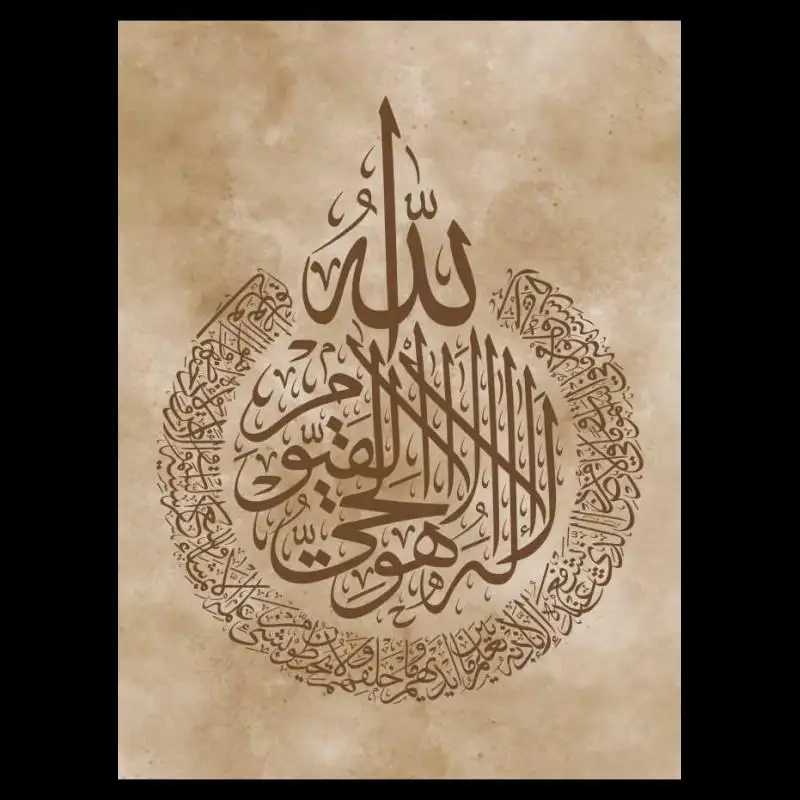
By Dr Seyed Salman Safavi and Sayyed Sad al-Din Safavi London Academy of Iranian Studies – LAIS Abstract: This article examines the theme of Tawḥīd (Divine Unity) in verse 255 of chapter 2 of the Holy Quran, Āyat al-Kursī. Through content analysis of the Divine Names and attributes in this verse—Allāh, Hū, Al-Ḥayy al-Qayyūm, Al-ʿAliyy […]

14
Jan
Jan
Book review of The Practice of Sufism and the Safavid Order, written by Dr Seyed Salman Safavi and published by LAIS Press in 2018. The book is comprised of two chapters, Practice Sufism and The Safavid order.
Articles
Spiritual Life is Writing Off the Self: Philosophy and Mysticism as Practices of Learning to Die to Live

16
Dec
Dec
Muhammad Maroof Shah Kashmir Abstract What is life divine or spiritual life about? It is a life in which one is free, no longer slave to the dictates of desiring self or attachment to passing things. How do philosophy, religion, mysticism ad poetry contributes to this task of living life authentically or soulfully. That […]
25
Jul
Jul
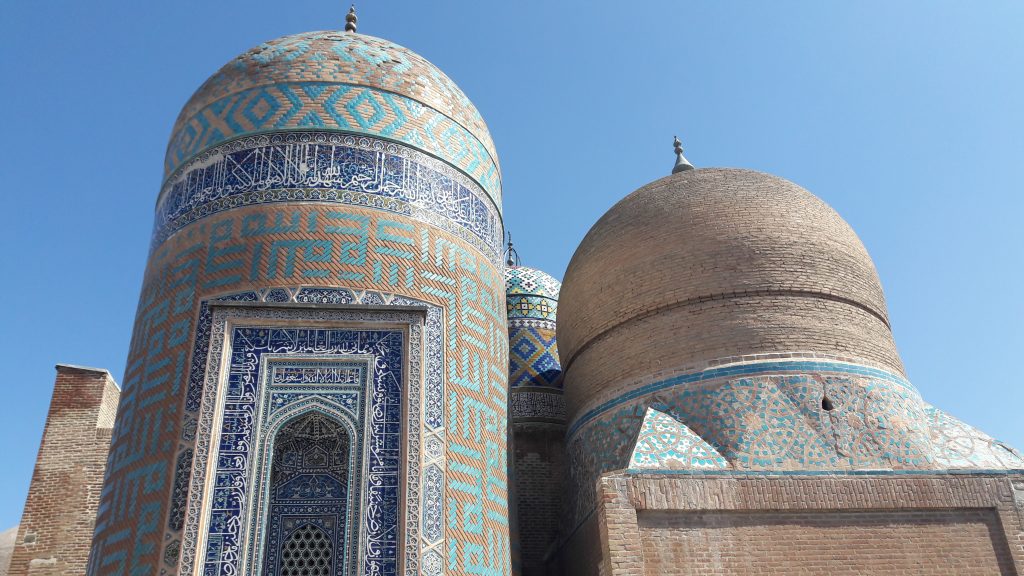
Seyed Salman Safavi London Academy of Iranian Studies Ayatollah Seyyed Ali Khamenei, Supreme Leader of I.R. Iran, gave a speech on 3 Mordad, 1379 (24 July 2000) in Ardabil about the great personality and importance of Sheikh Safi al-Din Ardabili (1252/3 – 1334). Sheikh Safi al-Din Ardabili is the founder of the Safavid Sufi order. […]