


This article explores the spiritual practices and liturgical rituals of the month of Ramadan and their profound psychological impacts through the lens of Islamic Psychology and Mysticism (Irfan). Drawing upon the Theory of the Interpretive Semantic Structure of the Quran (Safavi, 2025), the study elucidates the conditions of “True Fasting,” [...]

the Qur’anic presentation of Ramadhan reveals a sophisticated structure aimed at the holistic development of the human being. Through the practice of Sawm, the individual transitions from external compliance to an internalisation of Taqwa (piety) and Muraqabah (vigilance).

London – (Publication Date: 1 December 2025) – The 2025 issue of the international academic research journal Transcendent Philosophy Volume 26, Number 37 has been published by the London Academy of Iranian Studies (LAIS), presenting to the global intellectual community a rich collection of articles by distinguished scholars from Iran, [...]

Dr Seyed Salman Safavi, Sayyed Sadr al-Din Safavi London Academy of Iranian Studies – LAIS Abstract This study explores the Sufi interpretation of Luqmān the Sage, as presented by Muḥyī al-Dīn Ibn ʿArabī in his seminal work Fuṣūṣ al-ḥikam. Ibn ʿArabī considers Luqmān not merely a historical or Qurʾānic figure, [...]

Dr Seyed Salman Safavi London Academy of Iranian Studies – LAIS Introduction To interpret and analyse Surah al-Nisāʾ through the lens of semiotics and Umberto Eco’s (1933–2016) semantic structuralism, key concepts from Eco’s work must be utilised: the function of the sign, encoding and decoding, narrative strategies, intertextuality, isotopy, and [...]

By Dr Seyed Salman Safavi and Sayyed Sadr al-Din Safavi Abstract This article examines the character of Prophet Yūsuf (peace be upon him) from the perspective of Muḥyī al-Dīn Ibn ʿArabī in his work Fuṣūṣ al-ḥikam (The Bezels of Wisdom), specifically the chapter titled Faṣṣ ḥikma nūriyya fī kalima Yūsufiyya [...]
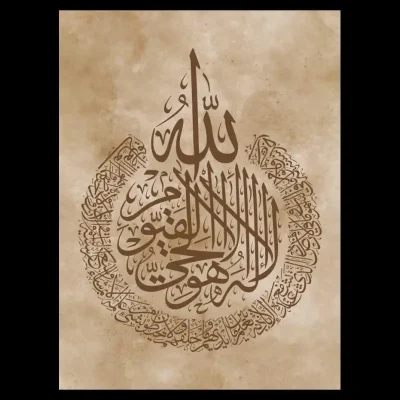
By Dr Seyed Salman Safavi and Sayyed Sad al-Din Safavi London Academy of Iranian Studies – LAIS Abstract: This article examines the theme of Tawḥīd (Divine Unity) in verse 255 of chapter 2 of the Holy Quran, Āyat al-Kursī. Through content analysis of the Divine Names and attributes in this [...]

Transcendent Philosophy: An International Journal For Comparative Philosophy And Mysticism 📅 Submission Deadline: 30 August 2025 The Transcendent Philosophy: An International Journal For Comparative Philosophy And Mysticism, published by the London Academy of Iranian Studies (LAIS), invites scholars to submit original research for an upcoming special issue on Comparative Studies [...]

Book review of The Practice of Sufism and the Safavid Order, written by Dr Seyed Salman Safavi and published by LAIS Press in 2018. The book is comprised of two chapters, Practice Sufism and The Safavid order.

Transcendent Philosophy Journal is an academic peer-reviewed journal published by the London Academy of Iranian Studies (LAIS) and aims to create a dialogue between Eastern, Western and Islamic Philosophy and Mysticism is published in December. Articles The Quiddity of Iranian Philosophy Seyed Salman Safavi London Academy of Iranian Studies [7-32] Christian [...]

Muhammad Maroof Shah Kashmir Abstract What is life divine or spiritual life about? It is a life in which one is free, no longer slave to the dictates of desiring self or attachment to passing things. How do philosophy, religion, mysticism ad poetry contributes to this task of living [...]

Seyed Salman Safavi London Academy of Iranian Studies Ayatollah Seyyed Ali Khamenei, Supreme Leader of I.R. Iran, gave a speech on 3 Mordad, 1379 (24 July 2000) in Ardabil about the great personality and importance of Sheikh Safi al-Din Ardabili (1252/3 – 1334). Sheikh Safi al-Din Ardabili is the founder [...]
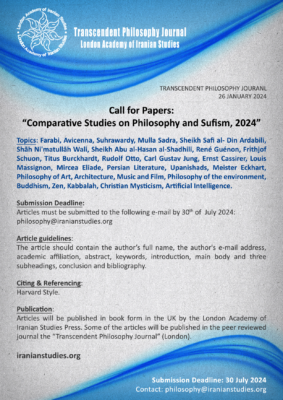
Call for Papers: “Comparative Studies on Philosophy and Sufism, 2024” “Transcendent Philosophy Journal”, London Academy of Iranian Studies. 30 July 2024 Topics: Farabi, Avicenna, Suhrawardy, Mulla Sadra, Sheikh Safi al-Din Ardabili, Shāh Ni’matullāh Wali, Sheikh Abu al-Hasan al-Shadhili, Meister Eckhart, René Guénon, Frithjof Schuon, Titus Burckhardt, Rudolf Otto, Carl [...]
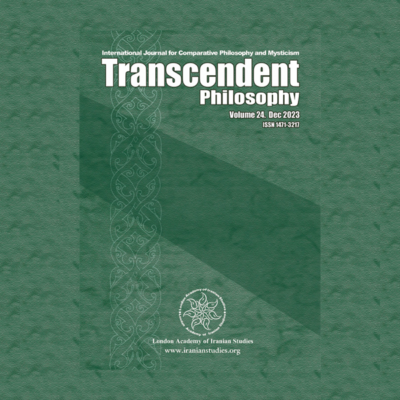
Transcendent Philosophy Journal is an academic peer-reviewed journal published by the London Academy of Iranian Studies (LAIS) and aims to create a dialogue between Eastern, Western and Islamic Philosophy and Mysticism is published in December. Articles Manifesto of Life (Philosophical Interpretation of Surah al-Asr of the Quran) Seyed Salman Safavi and Seyed Sadreddin [...]
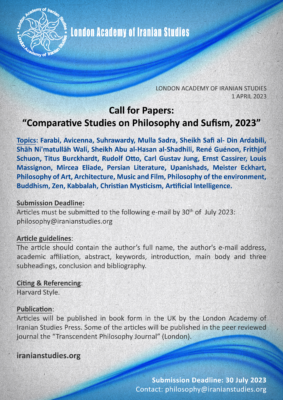
London Academy of Iranian Studies 1 April 2023 Topics: Farabi, Avicenna, Suhrawardy, Mulla Sadra, Sheikh Safi al-Din Ardabili, Shāh Ni’matullāh Wali, Sheikh Abu al-Hasan al-Shadhili, René Guénon, Frithjof Schuon, Titus Burckhardt, Rudolf Otto, Carl Gustav Jung, Ernst Cassirer, Louis Massignon, Mircea Eliade, Persian Literature, Upanishads, Meister Eckhart, Philosophy of [...]